Mazda 323 – The Reliable Compact Car That Built Mazda’s Reputation
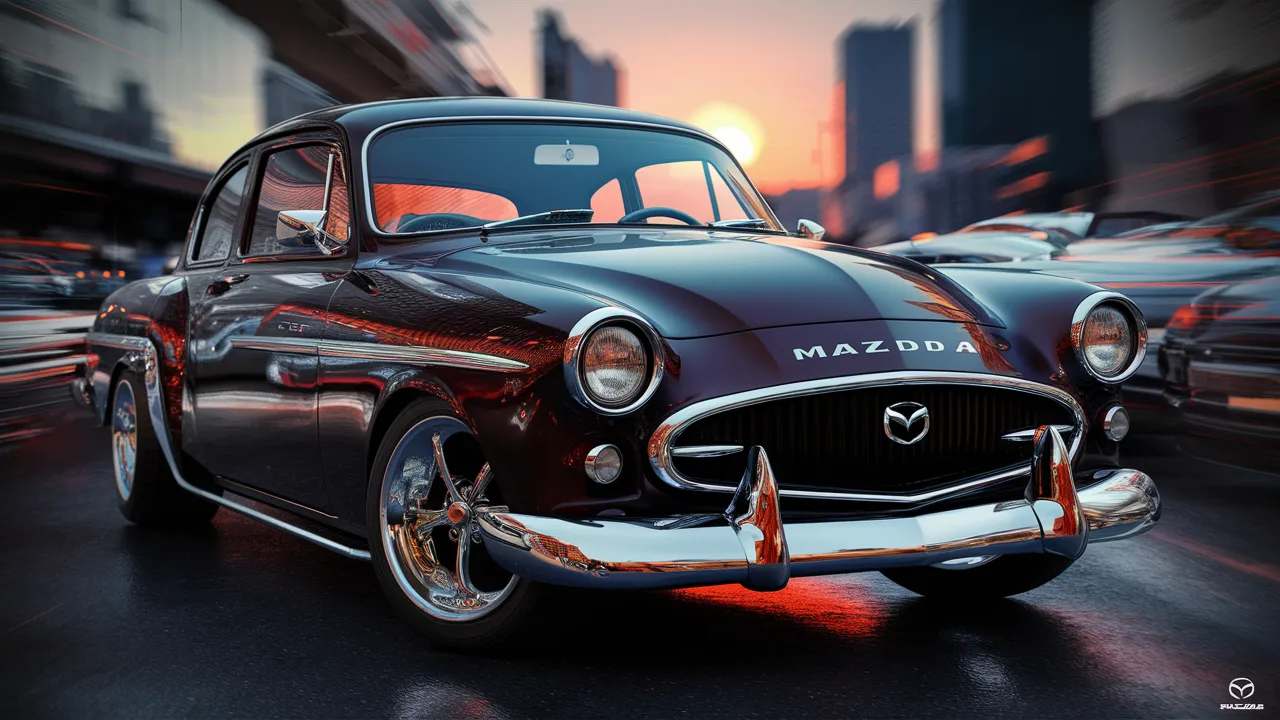
The Mazda 323 is one of the most important vehicles ever produced by Mazda. Introduced in the 1960s and produced across several generations, the Mazda 323 became known worldwide for its reliability, affordability, fuel efficiency, and practical design.
For decades, the 323 served as a dependable family car, first vehicle, and daily commuter in markets around the world. It helped establish Mazda as a respected global automotive brand and laid the foundation for many of the company’s later compact car successes.
Even today, older Mazda 323 models are remembered fondly for their durability and simple mechanical engineering.
🚗 Origins of the Mazda 323
The Mazda 323 was first introduced in 1963 under different naming conventions in some regions before eventually becoming globally recognized as the “323.”
The car was developed to compete in the growing compact vehicle market, where consumers wanted:
- Affordable transportation
- Good fuel economy
- Low maintenance costs
- Practical everyday usability
Over time, the Mazda 323 evolved through multiple generations, adapting to changing technology and customer expectations.
🌍 Global Popularity and Market Success
One reason for the Mazda 323’s success was its worldwide appeal.
The car was sold in:
- Asia
- Europe
- Australia
- Africa
- North America
Different markets sometimes used different names, but the vehicle itself became a major part of Mazda’s global expansion.
Reasons for popularity:
- Reliable engines
- Affordable purchase price
- Easy maintenance
- Comfortable driving characteristics
- Fuel efficiency
The 323 became especially popular in regions where dependable and economical transportation was highly valued.
🎨 Exterior Design Through the Generations
The Mazda 323 changed significantly over its long production life.
Early generations:
- Simple compact styling
- Lightweight body construction
- Minimalist design approach
Later generations:
- More aerodynamic shapes
- Modern headlights and bumpers
- Improved safety-focused structures
- Sportier hatchback styling
Mazda continuously updated the car to remain competitive against rivals from Toyota, Honda, Nissan, and Ford.
🚙 Body Styles and Variants
The Mazda 323 was available in multiple body styles over the years.
Common versions included:
- Sedan
- Hatchback
- Wagon
- Coupe
This versatility allowed Mazda to appeal to different types of drivers and families.
The hatchback versions became especially popular due to their practicality and urban-friendly size.
⚙️ Engine Options and Performance
The Mazda 323 offered a variety of engines depending on generation and market.
Engine types included:
- Small petrol engines
- Diesel options in some markets
- Fuel-efficient four-cylinder units
- Turbocharged performance variants
Most versions focused on efficiency and reliability rather than outright performance.
However, some sportier versions gained strong enthusiast followings.
🏁 Mazda 323 GTX and Performance Models
Although the 323 was mainly a practical family car, Mazda also produced high-performance versions.
One of the most famous was the:
- Mazda 323 GTX
Performance features:
- Turbocharged engine
- All-wheel-drive system
- Rally-inspired engineering
- Enhanced suspension and handling
The GTX became popular among performance enthusiasts because it combined compact practicality with serious driving capability.
These models are now considered collectible among Japanese performance car fans.
🚗 Driving Experience – Simple and Dependable
The Mazda 323 earned its reputation through consistent everyday performance.
Driving characteristics:
- Easy maneuverability
- Comfortable suspension tuning
- Lightweight handling feel
- Good visibility for drivers
The car was not designed as a luxury vehicle, but it delivered dependable transportation with minimal complications.
This simplicity became one of its biggest strengths.
⛽ Fuel Efficiency and Low Running Costs
One of the most important selling points of the Mazda 323 was affordability.
Ownership advantages:
- Excellent fuel economy
- Affordable spare parts
- Low maintenance costs
- Durable mechanical systems
In many countries, the 323 became known as a car that could continue running reliably for many years with proper care.
🛋️ Interior and Practicality
Inside, the Mazda 323 focused on practicality rather than luxury.
Interior features:
- Functional dashboard layout
- Comfortable seating
- Easy-to-use controls
- Reasonable luggage space
Later models introduced more modern features such as:
- Air conditioning
- Power windows
- Improved audio systems
- Better interior materials
Although basic compared to premium vehicles, the 323 offered everything most drivers needed for everyday use.
🌍 Reliability Reputation
The Mazda 323 became famous for reliability in many parts of the world.
Owners appreciated:
- Strong engine durability
- Simple mechanical construction
- Resistance to wear with proper maintenance
Many older examples remained operational for decades, especially in countries where reliable transportation was essential.
This long-lasting reputation helped Mazda gain customer trust globally.
⚖️ Competitors in the Compact Segment
The Mazda 323 competed with several iconic compact cars.
Main rivals included:
- Toyota Corolla
- Honda Civic
- Nissan Sunny
- Ford Escort
Compared to competitors, the Mazda 323 often stood out for:
- Fun driving dynamics
- Lightweight handling
- Competitive pricing
- Reliable engineering
Mazda vehicles have traditionally emphasized driving enjoyment more than some rivals, and the 323 reflected that philosophy.
🔧 Enthusiast and Modification Culture
Some Mazda 323 models became popular in tuning and modification communities.
Common modifications:
- Suspension upgrades
- Turbo conversions
- Custom wheels
- Engine tuning
The GTX and GT-R performance versions became especially respected among rally and Japanese car enthusiasts.
Today, well-preserved performance models are increasingly rare and valuable.
🧠 The Legacy of the Mazda 323
The Mazda 323 played a major role in shaping Mazda’s modern identity.
It helped establish the company’s reputation for:
- Reliability
- Practicality
- Affordable engineering
- Enjoyable driving dynamics
The car also paved the way for later Mazda compact models such as:
- Mazda3
The Mazda3 effectively became the spiritual successor to the 323 in many markets.
✔️ Pros and Cons
✔️ Advantages:
- Strong reliability reputation
- Excellent fuel economy
- Affordable maintenance
- Easy to drive
- Practical body styles
❌ Disadvantages:
- Basic interior in older models
- Limited modern safety features in early generations
- Performance models are now rare
- Some older versions prone to rust issues
🧾 Conclusion
The Mazda 323 remains one of the most respected compact cars ever produced by Mazda. Across multiple generations, it earned a reputation for reliability, affordability, practicality, and enjoyable driving characteristics.