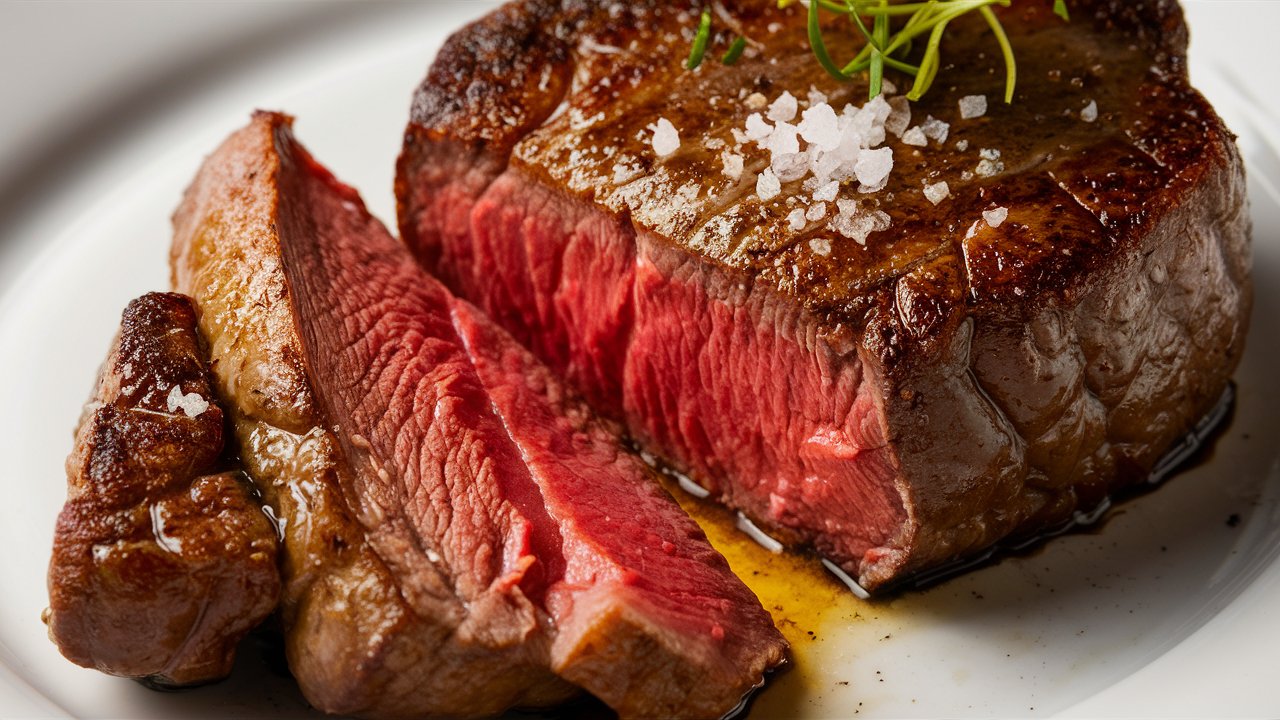
Medium Rare Steak: Cooking Temperature, Tips, and Perfect Juicy Results
Steak is one of the most popular and widely enjoyed dishes around the world, loved for its rich flavor, tender texture, and satisfying juiciness. Among all the different levels of doneness, medium rare steak is considered by chefs and steak enthusiasts to be the perfect balance between flavor and tenderness. It delivers a warm pink center, soft texture, and rich beefy taste that makes it a favorite in high-end restaurants and home kitchens alike. However, achieving the perfect medium rare steak is not just about cooking time—it requires understanding temperature, technique, meat quality, and resting methods. In this guide, you will learn everything about cooking medium rare steak perfectly every time, even if you are a beginner in the kitchen.
What Is Medium Rare Steak?
Medium rare steak refers to a specific level of doneness where the steak is cooked enough to be warm in the center but still maintains a pink, juicy interior. The exterior is usually seared to a rich brown crust while the inside remains soft, tender, and full of natural juices. This doneness level is widely preferred because it preserves the natural flavor of the beef without overcooking it. Unlike well-done steak, which can become dry and tough, medium rare steak maintains a delicate balance of texture and taste.
Chefs often consider medium rare the “ideal” doneness because it allows the fat within the meat to melt slightly without completely drying out the steak. This creates a more flavorful and enjoyable eating experience.
Medium Rare Steak Temperature Guide
Understanding temperature is the most important part of cooking steak properly. Medium rare steak typically reaches an internal temperature of 130°F to 135°F (54°C to 57°C). At this range, the steak is warm throughout with a pink center and a soft, juicy texture.
130∘F to 135∘F130^\circ F \;\text{to}\; 135^\circ F
Using a meat thermometer is highly recommended because it removes guesswork and ensures consistent results. Once the steak is removed from heat, the internal temperature will continue to rise slightly due to residual cooking, a process known as carryover cooking. This is why chefs often remove steak just before it reaches the target temperature.
Choosing the Right Cut of Steak
The quality and cut of steak significantly impact the final result. Popular cuts for medium rare include ribeye, sirloin, filet mignon, and New York strip. Each cut has different fat content and texture, but all can be cooked beautifully to medium rare if handled correctly.
Ribeye is known for its marbling, which produces a rich and juicy flavor. Filet mignon is leaner but extremely tender, making it ideal for those who prefer a soft texture. Sirloin offers a balance between flavor and affordability, while New York strip provides a firm bite with strong beef flavor.
Choosing high-quality meat is essential because even perfect cooking cannot fully compensate for poor-quality beef.
How to Cook Medium Rare Steak Perfectly
Cooking the perfect medium rare steak involves a few essential steps that must be followed carefully. First, allow the steak to come to room temperature before cooking, as this ensures even heat distribution. Season generously with salt and pepper to enhance natural flavor.
Next, heat a heavy pan or grill until it is extremely hot. A hot surface is necessary to create a proper sear, which locks in juices and develops a flavorful crust. Place the steak on the surface without moving it for a few minutes so that it develops a golden-brown crust. Flip the steak once and repeat on the other side.
During cooking, use a thermometer to monitor the internal temperature. Once it approaches 130°F to 135°F, remove the steak from heat immediately. Let it rest for at least 5 to 10 minutes before cutting, as this allows juices to redistribute evenly throughout the meat.
Importance of Resting the Steak
Resting is one of the most overlooked steps in cooking steak, yet it is extremely important. When steak is cooked, the juices move toward the center due to heat. If you cut it immediately, those juices will escape, leaving the steak dry. Resting allows the juices to settle back into the meat, resulting in a more flavorful and tender bite.
A properly rested medium rare steak will be juicy, soft, and evenly flavored from edge to center.
Common Mistakes to Avoid
Many home cooks struggle to achieve the perfect medium rare steak due to common mistakes. One of the biggest errors is overcooking the steak due to lack of temperature control. Another mistake is not allowing the pan or grill to heat properly, which prevents proper searing.
Cutting into the steak immediately after cooking is another frequent error that leads to juice loss. Additionally, not seasoning properly can result in bland flavor, even if the steak is cooked correctly.
Avoiding these mistakes greatly increases your chances of achieving restaurant-quality results at home.
Why Medium Rare Steak Is So Popular
Medium rare steak is widely preferred because it provides the best combination of texture, flavor, and juiciness. The slight pink center preserves the natural beef flavor while the seared exterior adds depth and complexity. Many steak lovers believe this doneness level represents the perfect balance between raw and cooked meat.
Restaurants often recommend medium rare because it highlights the quality of the meat and the skill of the chef. It also appeals to a wide range of taste preferences, making it a safe yet delicious choice.
Health and Safety Considerations
When cooking steak to medium rare, it is important to use fresh, high-quality meat from a trusted source. Proper handling and storage are essential to ensure food safety. While medium rare steak is safe when prepared correctly, individuals with specific dietary concerns should consult guidelines regarding meat consumption.
Conclusion
Medium rare steak remains one of the most beloved ways to enjoy beef due to its perfect balance of flavor, tenderness, and juiciness. Achieving the ideal result requires attention to temperature, cooking technique, meat selection, and proper resting time. When done correctly, medium rare steak delivers a restaurant-quality experience that can be recreated at home with practice and care. Whether you are a beginner or an experienced cook, mastering this doneness level will significantly improve your culinary skills and allow you to enjoy steak at its absolute best.
Frequently Asked Questions (FAQ)
What temperature is medium rare steak?
Medium rare steak is typically cooked to 130°F to 135°F (54°C to 57°C).
Is medium rare steak safe to eat?
Yes, when cooked properly using fresh meat and correct handling techniques.
Why is medium rare steak so popular?
It offers the best balance of flavor, juiciness, and tenderness.
How long should steak rest after cooking?
Steak should rest for about 5 to 10 minutes before cutting.
What cut is best for medium rare steak?
Ribeye, sirloin, filet mignon, and New York strip are excellent choices.