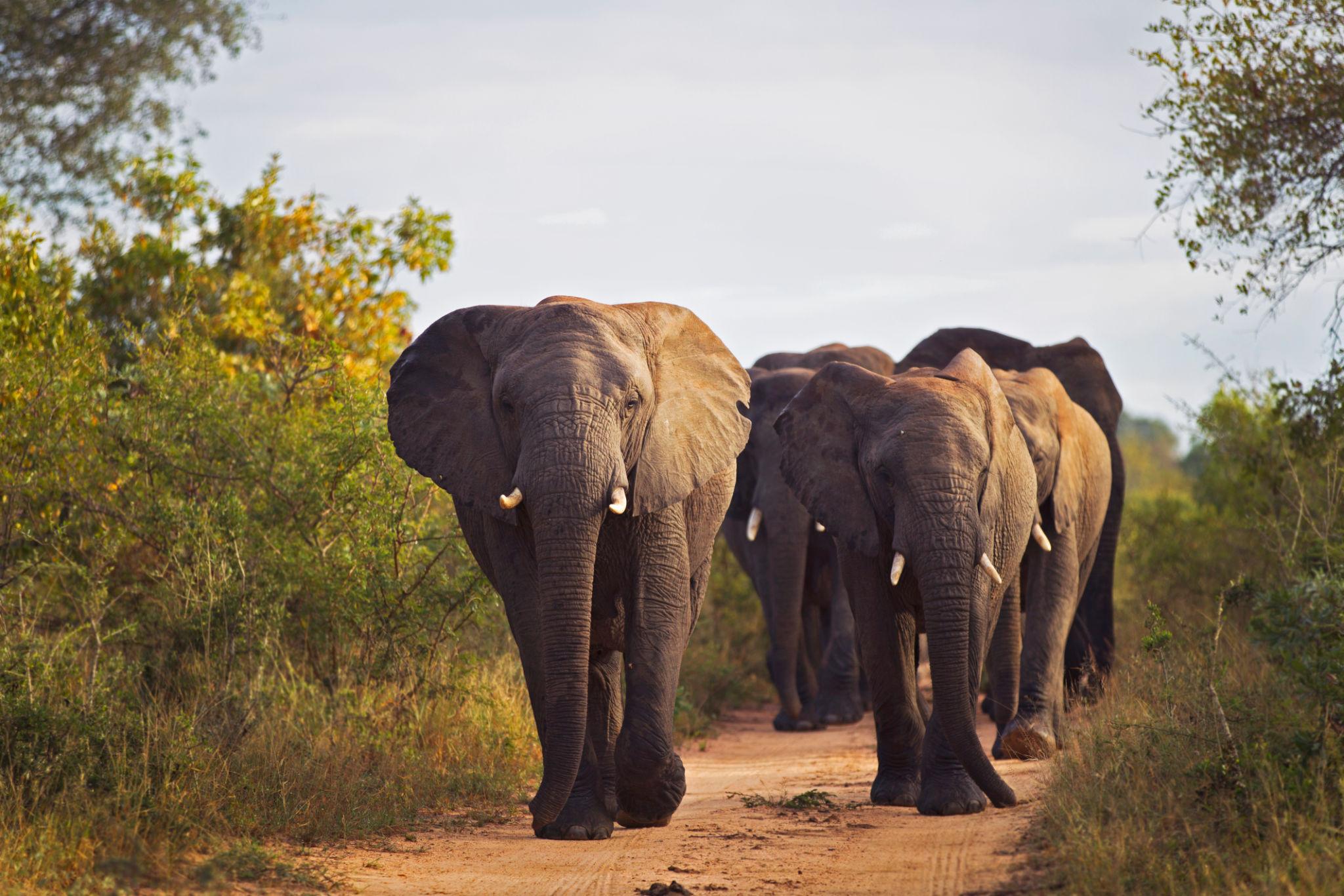
Elephant: Habitat, Behavior, and Amazing Facts About the World’s Largest Land Animal
Elephants are among the most fascinating and intelligent creatures on Earth, known for their massive size, emotional depth, and complex social structures. As the largest land animals, elephants have captured human imagination for centuries, appearing in culture, religion, wildlife documentaries, and conservation efforts around the world. Found primarily in Africa and Asia, these gentle giants play a crucial role in maintaining ecological balance in their natural habitats. Despite their strength and size, elephants are known for their empathy, memory, and strong family bonds, making them one of the most emotionally intelligent animals in the animal kingdom. Today, elephants face growing threats from habitat loss and poaching, making their conservation more important than ever.
What Is an Elephant?
An elephant is a large mammal belonging to the family Elephantidae. There are two main species: the African elephant and the Asian elephant. African elephants are generally larger and have bigger ears shaped somewhat like the African continent, while Asian elephants are smaller with rounded ears and a different body structure.
Elephants are herbivores, meaning they eat plants, grasses, fruits, bark, and leaves. Their long trunk is one of their most distinctive features, used for breathing, drinking water, picking up objects, and communicating. Elephants are highly adaptable animals that can survive in forests, savannas, grasslands, and even deserts, depending on the availability of food and water.
Elephant Habitat and Distribution
Elephants are mainly found in sub-Saharan Africa and parts of South and Southeast Asia. African elephants live in countries such as Kenya, Tanzania, Botswana, and South Africa, where they roam across vast savannas and forest regions. Asian elephants are found in India, Sri Lanka, Thailand, and parts of Indonesia, where they typically live in dense forests.
Their habitat is strongly influenced by water availability and vegetation. Elephants need large areas of land because they consume a significant amount of food and water daily. A single elephant can drink hundreds of liters of water in a day and consume up to 150 kilograms of vegetation. Due to their large habitat requirements, elephants are highly vulnerable to human activities such as deforestation and urban expansion.
Elephant Behavior and Social Structure
Elephants are highly social animals that live in structured family groups known as herds. These herds are usually led by a matriarch, the oldest and most experienced female in the group. The matriarch plays a critical role in guiding the herd to food and water sources and protecting them from danger.
Elephant behavior is deeply emotional and intelligent. They are known to show empathy, grief, joy, and strong family bonding. When a member of the herd dies, elephants often display mourning behavior, which is rare in the animal kingdom. They also communicate using a combination of vocal sounds, body language, and low-frequency vibrations known as infrasound, which can travel long distances.
Their intelligence is often compared to dolphins and primates, as elephants are capable of problem-solving, memory retention, and even self-recognition in mirrors.
Elephant Diet and Feeding Habits
Elephants are herbivores with a highly demanding diet. They spend most of their day eating to sustain their large bodies. Their diet includes grasses, tree bark, roots, fruits, and leaves. The trunk plays a crucial role in feeding, allowing them to grasp food with precision.
Because elephants consume such large quantities of food, they play an important ecological role in shaping their environment. They help spread seeds through their dung, which contributes to forest regeneration and plant diversity. In this way, elephants are often considered “ecosystem engineers” because they help maintain the balance of their habitats.
Elephant Intelligence and Memory
One of the most remarkable traits of elephants is their intelligence. Elephants have large brains and complex neural structures that support advanced cognitive abilities. Their memory is particularly famous, with the saying “an elephant never forgets” reflecting their ability to remember locations, individuals, and experiences over long periods.
Elephants can recognize themselves in mirrors, solve complex problems, and use tools in certain situations. They also display emotional intelligence, forming deep social bonds and showing compassion toward injured or distressed members of their herd.
African Elephant vs Asian Elephant
There are several differences between African and Asian elephants. African elephants are generally larger, with males reaching greater weights and heights. Their ears are larger and shaped differently, helping them regulate body temperature in hot climates.
Asian elephants are smaller and have more rounded backs. Only some male Asian elephants grow tusks, while most African elephants—both male and female—can develop them. These differences help scientists classify and study elephant populations more effectively.
Elephant Lifespan and Growth
Elephants have a long lifespan compared to many other animals. On average, they live between 50 to 70 years in the wild, depending on environmental conditions and threats. Their slow reproductive rate also makes population recovery difficult when numbers decline.
Baby elephants, known as calves, are born after a long gestation period of nearly 22 months, one of the longest in the animal kingdom. Calves are highly dependent on their mothers and other herd members for protection and learning.
Threats and Conservation
Despite their importance in ecosystems, elephants face significant threats in the modern world. Habitat loss due to deforestation, human-wildlife conflict, and illegal poaching for ivory are the main dangers affecting elephant populations.
Conservation efforts are ongoing across Africa and Asia to protect elephants through wildlife reserves, anti-poaching laws, and international cooperation. Many organizations are working to raise awareness about the importance of elephants and the need to preserve their natural habitats for future generations.
Why Elephants Are Important to the Ecosystem
Elephants play a critical role in maintaining ecological balance. By feeding on vegetation and traveling long distances, they help shape landscapes and promote biodiversity. Their movement creates pathways through dense forests, and their dung fertilizes soil and spreads seeds.
Without elephants, many ecosystems would become unbalanced, affecting other wildlife species and plant life. This makes elephant conservation essential not just for the animals themselves, but for the entire environment.
Conclusion
Elephants are extraordinary creatures that represent intelligence, strength, and emotional depth in the animal kingdom. From their complex social structures to their essential role in ecosystems, elephants are far more than just large mammals—they are key contributors to the health of our planet. However, they face increasing threats that require urgent attention and conservation efforts. Understanding elephants, appreciating their importance, and supporting their protection is essential for ensuring that future generations can continue to witness these magnificent animals in the wildFrequently Asked Questions (FAQ)
What do elephants eat?
Elephants eat grass, leaves, fruits, roots, and tree bark.
How long do elephants live?
Elephants typically live between 50 and 70 years in the wild.
Where do elephants live?
They live in Africa and parts of Asia, mainly in forests and savannas.
Are elephants intelligent?
Yes, elephants are highly intelligent and show strong memory and emotional behavior.
Why are elephants endangered?
They are threatened by habitat loss, poaching, and human-wildlife conflict.