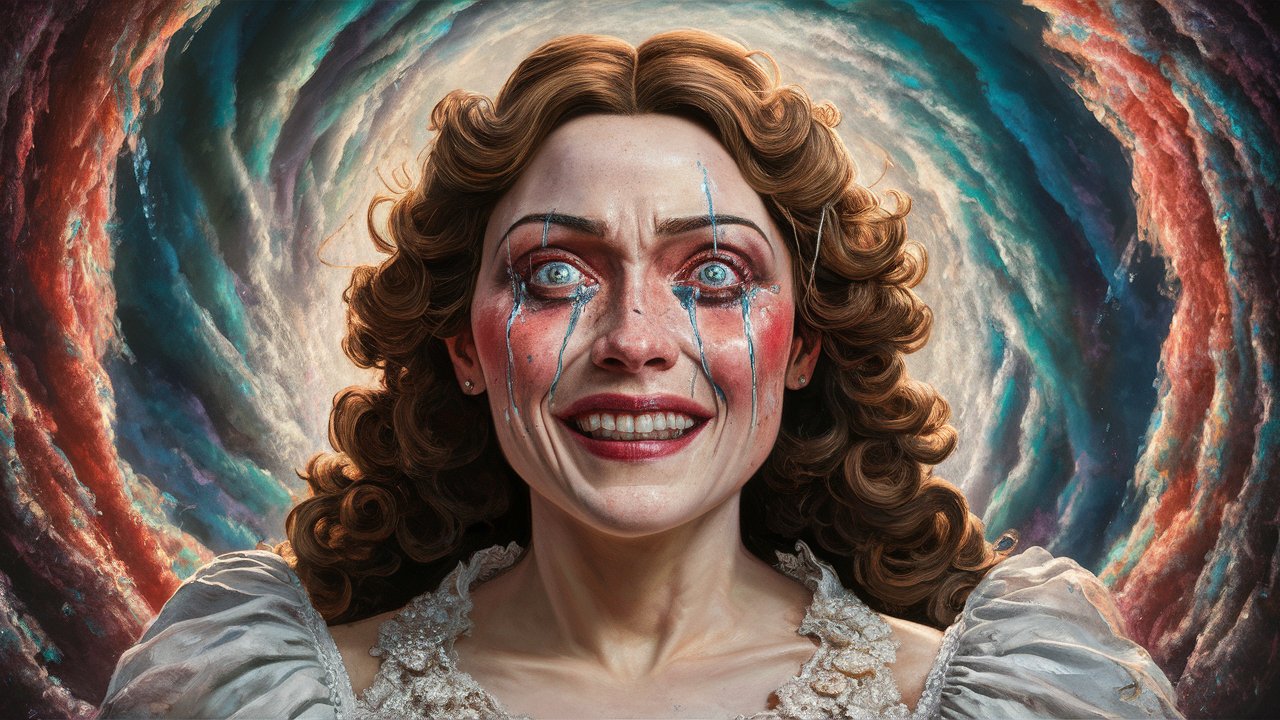
Mixed Emotion: Understanding the Complex Feelings That Shape Human Experience
Human emotions are rarely simple. While people often describe feelings as happiness, sadness, anger, excitement, or fear, real-life experiences are usually far more complex. One of the most fascinating aspects of emotional psychology is the phenomenon known as mixed emotion. This occurs when a person experiences two or more emotions simultaneously, often creating a complicated emotional state that can be difficult to understand or express. Mixed emotions are a normal part of life and influence how individuals think, behave, make decisions, and form relationships.
Almost everyone has experienced mixed emotions at some point. Graduating from school may bring excitement about the future while also creating sadness about leaving friends behind. Moving to a new city can generate anticipation and hope while simultaneously causing anxiety and uncertainty. These emotional combinations demonstrate that human feelings do not always fit neatly into a single category.
Understanding mixed emotion can provide valuable insights into human psychology, emotional intelligence, and personal growth. By learning how mixed feelings arise and how they affect behavior, individuals can better navigate life’s challenges and appreciate the complexity of their emotional experiences.
What Is Mixed Emotion?
Mixed emotion refers to the experience of feeling multiple emotions at the same time. These emotions may complement one another or appear contradictory. For example, a person might feel happy and sad simultaneously, proud and nervous at the same moment, or grateful while also feeling disappointed.
Psychologists have long studied mixed emotions because they challenge the traditional belief that emotions exist independently. Modern research suggests that people are capable of experiencing complex emotional blends that reflect the multifaceted nature of life events.
Mixed emotions often occur during major life transitions, significant achievements, relationship changes, and unexpected circumstances. Because many situations involve both gains and losses, it is natural for people to respond with a combination of emotional reactions.
The existence of mixed emotions highlights the richness of human emotional life and demonstrates that feelings are often more nuanced than simple labels suggest.
Why Do Mixed Emotions Occur?
Mixed emotions occur because life experiences rarely have only positive or negative consequences. Most situations contain multiple dimensions that affect individuals in different ways. When people evaluate an event from various perspectives, different emotional responses may emerge simultaneously.
For example, starting a new job may bring enthusiasm about career opportunities while also creating fear about unfamiliar responsibilities. Becoming a parent may generate immense joy alongside concerns about the future. These emotional combinations arise because people process experiences through multiple cognitive and emotional lenses.
The human brain is capable of evaluating numerous aspects of a situation at the same time. This ability contributes to emotional complexity and helps explain why mixed emotions are such a common part of everyday life.
Common Examples of Mixed Emotions
Mixed emotions appear in many situations throughout life. One of the most common examples involves graduation ceremonies. Students often feel excited about future opportunities while simultaneously feeling nostalgic about leaving familiar environments and friendships behind.
Relationships also generate mixed emotions. Falling in love can create happiness, excitement, vulnerability, and uncertainty all at once. Similarly, ending a relationship may involve sadness, relief, regret, and hope for the future.
Career changes frequently trigger emotional complexity as well. Accepting a promotion may bring pride and accomplishment while also increasing stress and responsibility. Retirement can provide freedom and relaxation while creating feelings of loss related to routine and professional identity.
These examples illustrate how mixed emotions reflect the complexity of human experiences and personal transitions.
The Psychology Behind Emotional Complexity
Psychologists view mixed emotions as evidence of emotional maturity and cognitive sophistication. Rather than indicating confusion, mixed emotions often demonstrate a person’s ability to recognize multiple realities simultaneously.
Emotional complexity allows individuals to appreciate both positive and negative aspects of a situation. This balanced perspective can improve decision-making and encourage more realistic expectations.
Research suggests that people who acknowledge mixed emotions may be better equipped to cope with change and uncertainty. By accepting emotional complexity, individuals can avoid oversimplifying experiences and develop greater emotional resilience.
The ability to hold seemingly conflicting emotions at the same time is a hallmark of psychological growth and self-awareness.
Mixed Emotion and Emotional Intelligence
Emotional intelligence refers to the ability to recognize, understand, and manage emotions effectively. Mixed emotions play an important role in this process because they require individuals to identify multiple feelings and understand how those feelings interact.
People with strong emotional intelligence are often more comfortable acknowledging emotional complexity. Instead of forcing themselves to feel only one way, they recognize that different emotions can coexist.
Developing emotional intelligence involves learning to accept mixed feelings without judgment. This acceptance can improve communication, strengthen relationships, and enhance overall well-being.
Understanding mixed emotions also helps individuals empathize with others who may be experiencing similarly complex emotional states.
The Role of Mixed Emotions in Decision-Making
Mixed emotions can significantly influence decision-making processes. When people experience multiple emotions simultaneously, they often consider a wider range of factors before reaching conclusions.
Although mixed emotions may sometimes create uncertainty, they can also encourage thoughtful analysis. Individuals who recognize both positive and negative aspects of a situation may make more balanced decisions than those who focus exclusively on one emotional perspective.
For example, someone considering a major life change may evaluate both opportunities and risks more carefully when experiencing mixed emotions. This broader evaluation process can contribute to better long-term outcomes.
Rather than viewing mixed emotions as obstacles, many experts consider them valuable sources of information that support informed decision-making.
How to Manage Mixed Emotions
Managing mixed emotions begins with acceptance. People often become frustrated when they cannot identify a single dominant feeling, but emotional complexity is a natural part of the human experience.
One effective strategy is emotional labeling. Identifying and naming specific emotions can help individuals better understand what they are experiencing. Journaling, self-reflection, and mindfulness practices can also support emotional awareness.
Talking with trusted friends, family members, or professionals may provide additional perspective and help individuals process complicated feelings.
It is important to remember that mixed emotions do not necessarily require immediate resolution. In many cases, allowing emotions to coexist naturally can lead to greater understanding and personal growth.
Mixed Emotions in Modern Society
Modern life often creates circumstances that encourage mixed emotions. Rapid technological change, evolving social expectations, and global interconnectedness expose individuals to a wide range of experiences and perspectives.
Social media, for example, can generate feelings of connection and inspiration while also contributing to comparison and stress. Major global events may inspire hope, concern, uncertainty, and determination simultaneously.
As society becomes increasingly complex, understanding mixed emotions becomes even more important. Emotional awareness helps individuals navigate modern challenges while maintaining psychological well-being.
Conclusion
Mixed emotion is a powerful reminder that human feelings are rarely simple or one-dimensional. The ability to experience multiple emotions simultaneously reflects the complexity of life and the sophistication of the human mind. From major life transitions to everyday decisions, mixed emotions influence how people think, behave, and relate to the world around them.
Rather than viewing emotional complexity as a problem, it can be understood as a valuable aspect of personal growth and emotional intelligence. Recognizing and accepting mixed emotions allows individuals to develop deeper self-awareness, improve relationships, and make more balanced decisions.
As people continue to explore the nature of human emotions, mixed emotion remains one of the most fascinating and meaningful aspects of psychological experience. Embracing emotional complexity can lead to greater understanding, resilience, and appreciation for the richness of life.
Frequently Asked Questions
What is a mixed emotion?
A mixed emotion occurs when a person experiences two or more emotions at the same time.
Are mixed emotions normal?
Yes. Mixed emotions are a common and natural part of human psychology.
Why do people experience mixed emotions?
They often occur because life situations contain both positive and negative elements that trigger different emotional responses.
Can mixed emotions affect decision-making?
Yes. Mixed emotions can encourage individuals to consider multiple perspectives before making decisions.
How can someone manage mixed emotions?
Self-awareness, emotional labeling, journaling, mindfulness, and open communication can help manage complex feelings.
Do mixed emotions indicate emotional maturity?
Many psychologists believe that recognizing and accepting mixed emotions reflects emotional intelligence and psychological growth.