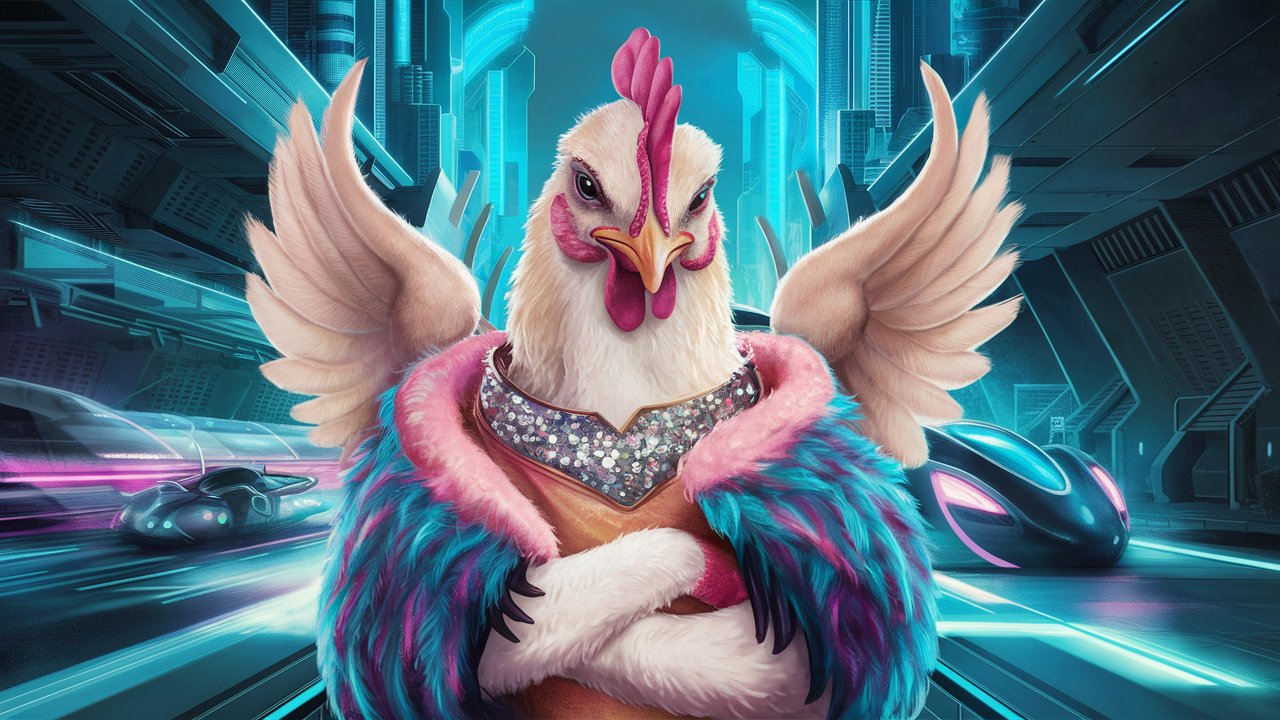
Fur Hen: Understanding the Meaning, Characteristics, History, and Fascination Behind This Unique Term
The phrase fur hen is an unusual and intriguing term that sparks curiosity among animal enthusiasts, researchers, and internet users alike. At first glance, the combination of the words “fur” and “hen” may seem contradictory because hens are birds covered with feathers, while fur is typically associated with mammals. This unique pairing often leads people to search for information about whether a fur hen is a real animal, a breed of chicken, a nickname, or a cultural expression.
The growing popularity of unusual animal-related keywords has increased interest in terms like fur hen. Some people encounter the phrase in online discussions, while others may come across it in references to rare chicken breeds, folklore, or descriptive language. Regardless of the context, the concept of a fur hen provides an opportunity to explore the fascinating world of birds, animal adaptations, and the language people use to describe unique creatures.
This comprehensive guide examines the meaning of fur hen, the possible origins of the term, its connection to unusual chicken breeds, and the broader fascination people have with animals that challenge expectations.
What Does Fur Hen Mean?
The term “fur hen” is not commonly used in formal scientific classification, but it can be interpreted in several ways. Most often, people use the phrase to describe chickens whose feathers have an exceptionally soft and fluffy appearance, giving them a fur-like look. Certain chicken breeds possess feather structures that differ from those of typical poultry, making them appear more similar to furry animals than traditional birds.
In some contexts, fur hen may also be used informally as a descriptive nickname for ornamental chickens. These birds are often bred for their appearance rather than egg production or meat yield. Their distinctive plumage attracts hobbyists, breeders, and poultry enthusiasts from around the world.
The term demonstrates how language evolves to describe unusual visual characteristics. When people encounter a bird that appears covered in soft, dense plumage, the comparison to fur becomes a natural way to express that observation.
The Science Behind Feather Structure
To understand why some chickens may be described as fur hens, it is important to understand feather anatomy. Feathers are complex structures made primarily of keratin, the same protein found in human hair and nails. While all feathers serve important functions such as insulation, flight assistance, and protection, not all feathers are identical.
Certain breeds possess unique feather arrangements that create exceptionally soft textures. Instead of tightly structured feathers that lie flat against the body, these birds may have feathers with reduced hooklets, resulting in a fluffy appearance.
This feather variation creates an illusion that resembles fur. Although the material remains feather-based rather than mammalian fur, the visual effect is distinctive enough that observers often compare the bird to furry animals.
Popular Chicken Breeds Associated with the Fur Hen Concept
Several chicken breeds are commonly associated with descriptions similar to fur hen because of their unusual feathering.
One of the most famous examples is the Silkie chicken. This remarkable breed is known for its soft, fluffy feathers that lack the typical structure found in most birds. Silkies often appear as though they are covered in fur rather than feathers, making them one of the strongest examples of what many people imagine when hearing the term fur hen.
Another breed frequently mentioned in discussions about fluffy chickens is the Cochin. While Cochins have standard feathers, their dense plumage creates a rounded and soft appearance. Their heavily feathered legs and feet contribute to their distinctive look.
Polish chickens, Frizzles, and other ornamental breeds also attract attention because of their unusual feather arrangements. These birds demonstrate the incredible diversity that exists within domestic poultry breeding.
History of Ornamental Chickens
The history of ornamental chickens stretches back centuries. Throughout different cultures, people have selectively bred poultry not only for practical purposes but also for aesthetic appeal. Unique feather colors, patterns, body shapes, and textures became desirable traits among breeders.
Many ornamental breeds originated in Asia, where poultry enthusiasts developed birds with distinctive appearances. Over time, these breeds spread to Europe, North America, and other parts of the world, becoming popular among hobbyists and collectors.
The fascination with visually unusual birds contributed to the development of breeds that fit the fur hen description. Their appearance challenged traditional expectations of what chickens should look like and created enduring interest among poultry enthusiasts.
Why People Are Fascinated by Fur-Like Chickens
Human curiosity often focuses on animals that appear unusual or unexpected. A chicken that resembles a furry mammal naturally attracts attention because it combines familiar characteristics in surprising ways.
The contrast between feathers and fur creates a visual novelty that many people find appealing. Social media platforms have amplified this fascination by allowing owners to share photographs and videos of rare chicken breeds with global audiences.
Beyond aesthetics, these birds often display friendly personalities and calm temperaments, further increasing their popularity. Many owners describe ornamental chickens as enjoyable pets that provide companionship in addition to their unique appearance.
This combination of visual appeal and engaging behavior helps explain the enduring interest in fur-like chickens.
Fur Hen and Backyard Poultry Keeping
The growth of backyard poultry keeping has introduced more people to unusual chicken breeds. Many hobbyists choose ornamental birds because they add diversity and character to their flocks.
A fur hen-type bird can become a centerpiece of a backyard poultry collection. Visitors are often intrigued by their appearance, and owners frequently enjoy educating others about the differences between ornamental and traditional poultry breeds.
Proper care remains essential regardless of appearance. Fluffy breeds may require additional attention during wet weather because dense feathers can retain moisture. Maintaining clean living conditions helps ensure the health and well-being of these birds.
Educational Value of Unique Chicken Breeds
Unique chicken breeds provide valuable educational opportunities. They help demonstrate concepts related to genetics, selective breeding, animal adaptation, and biodiversity.
Children and adults alike can learn about inheritance patterns by observing how specific traits are passed from one generation to the next. The existence of fur-like chickens illustrates how selective breeding can dramatically influence physical appearance over time.
Educational programs, agricultural fairs, and poultry exhibitions often feature ornamental breeds because they engage audiences and encourage interest in animal science.
The Future of Ornamental Poultry
Interest in ornamental poultry continues to grow as more people discover the diversity of chicken breeds available today. Advances in breeding knowledge and increased global communication have made rare breeds more accessible than ever before.
Enthusiasts around the world work to preserve unique genetic traits while promoting responsible breeding practices. These efforts help ensure that future generations can continue to appreciate the remarkable variety found within domestic poultry.
As awareness increases, terms such as fur hen may become even more popular among people searching for information about unusual and visually striking birds.
Conclusion
The concept of a fur hen captures the imagination because it combines two seemingly unrelated characteristics into a single fascinating image. Although chickens do not possess true fur, certain breeds have such soft and fluffy feathers that they create a fur-like appearance. This unique trait has contributed to the popularity of ornamental poultry and inspired curiosity among animal lovers worldwide.
From the famous Silkie chicken to other fluffy breeds, fur-like chickens demonstrate the incredible diversity that exists within the world of domestic birds. Their appearance, history, and educational value make them an enduring subject of interest for breeders, hobbyists, and curious observers alike.
Whether encountered in a backyard flock, an agricultural exhibition, or an online photograph, the fur hen concept reminds us that nature and selective breeding can produce truly extraordinary animals.
Frequently Asked Questions
What is a fur hen?
A fur hen is generally an informal term used to describe a chicken with exceptionally soft, fluffy, fur-like feathers.
Do chickens actually have fur?
No. Chickens have feathers, not fur. Some breeds simply have feathers that resemble fur in appearance.
Which chicken breed looks most like a fur hen?
The Silkie chicken is often considered the best example because of its uniquely soft and fluffy plumage.
Why do some chickens have fur-like feathers?
Genetic traits affecting feather structure create a softer and fluffier appearance than standard feathers.
Are fur-like chickens good pets?
Many ornamental breeds are known for calm personalities and can make enjoyable pets when properly cared for.
Are fluffy chicken breeds rare?
Some breeds are more common than others, but many ornamental varieties remain relatively uncommon compared to standard poultry breeds.