Violetness: Exploring the Meaning, Symbolism, Psychology, and Beauty of the Color Violet
Colors have long played an important role in human culture, psychology, art, fashion, and communication. Among all colors, violet holds a unique position because it combines the calming stability of blue with the energetic intensity of red. The concept of “violetness” extends beyond a simple color description. It represents a collection of qualities, emotions, meanings, and associations connected to the violet spectrum. Whether viewed through the lens of art, spirituality, science, design, or psychology, violetness carries a fascinating depth that continues to inspire people around the world.
The term violetness can be understood as the essence or characteristic nature of violet. It encompasses the visual appearance of violet hues as well as the symbolic meanings often attached to them. Throughout history, violet has been associated with royalty, creativity, wisdom, mystery, luxury, and imagination. In modern culture, it continues to appear prominently in branding, interior design, fashion, digital media, and personal expression.
This comprehensive guide explores the meaning of violetness, its historical significance, psychological effects, cultural interpretations, and influence across various aspects of life.
What Is Violetness?
Violetness refers to the distinctive qualities and characteristics associated with the color violet. It can describe the visual properties of violet shades, but it also extends to symbolic and emotional interpretations. In many contexts, violetness represents elegance, creativity, sophistication, and introspection.
Unlike primary colors, violet is created through the combination of red and blue. This blending creates a unique balance between energy and calmness, making violet one of the most intriguing colors in the visible spectrum. The concept of violetness captures this duality and explains why the color often evokes complex emotional responses.
People often associate violetness with imagination, artistic expression, and personal transformation. It is a color that feels both vibrant and contemplative, making it popular in environments designed to encourage creativity and reflection.
The Historical Significance of Violet
The history of violet is closely tied to wealth and prestige. In ancient civilizations, producing violet dyes was extremely difficult and expensive. Certain shades were derived from rare natural sources, making them accessible only to the wealthy and powerful.
As a result, violet became strongly associated with royalty and nobility. Kings, queens, emperors, and religious leaders often wore violet garments as symbols of authority and status. This historical connection continues to influence modern perceptions of the color.
The rarity of violet pigments also contributed to its association with exclusivity and luxury. Even today, brands that seek to communicate sophistication and premium quality often incorporate violet into their visual identity.
The historical roots of violetness help explain why the color still carries connotations of distinction, prestige, and refinement.
The Psychology of Violetness
Color psychology explores how different colors influence emotions, perceptions, and behaviors. Violetness occupies a particularly interesting place within this field because it combines qualities from both warm and cool color families.
The blue component of violet is often linked to calmness, trust, and stability. Meanwhile, the red component contributes passion, energy, and intensity. Together, these characteristics create a color that can stimulate imagination while maintaining a sense of balance.
Many psychologists and designers believe violet encourages creativity and innovation. Artists, writers, and creative professionals often find violet environments inspiring because the color promotes imaginative thinking without becoming overly stimulating.
Additionally, violetness is frequently associated with introspection and personal growth. It can create a reflective atmosphere that encourages contemplation and self-awareness.
Violetness in Art and Design
Throughout art history, violet has been used to convey emotion, mystery, and depth. Painters often employ violet tones to create dramatic contrasts, atmospheric effects, and symbolic meanings within their work.
In contemporary design, violet remains a versatile color. It can communicate luxury, modernity, creativity, or spirituality depending on how it is applied. Interior designers frequently use violet accents to add elegance and visual interest to living spaces.
Digital designers also appreciate violet because it stands out while maintaining a sophisticated appearance. Websites, applications, and brands often incorporate violet to establish a distinctive visual identity.
The adaptability of violetness makes it valuable across many creative disciplines. Whether used subtly or boldly, violet can transform the mood and perception of a design.
Cultural Interpretations of Violetness
Different cultures have developed unique interpretations of violet and its associated meanings. In many Western traditions, violet symbolizes wisdom, dignity, and creativity. It is often connected to artistic expression and intellectual pursuits.
In some spiritual traditions, violet represents transformation and higher awareness. It is commonly associated with meditation, mindfulness, and personal development practices. These associations contribute to violet’s reputation as a deeply meaningful and symbolic color.
Across cultures, violetness frequently carries themes of uniqueness and individuality. Because the color is less common in everyday environments compared to blue, green, or red, it often feels distinctive and memorable.
These diverse cultural interpretations demonstrate the rich symbolic landscape surrounding violetness.
Violetness in Fashion
Fashion designers have long recognized the visual power of violet. The color can appear elegant, bold, luxurious, or contemporary depending on the specific shade and styling choices.
Darker violet tones often communicate sophistication and confidence. Lighter shades may evoke softness, creativity, and romance. Because of this versatility, violet remains a popular choice across many fashion categories.
Consumers are often drawn to violet garments because they offer a balance between traditional and unconventional style. Wearing violet can make a statement while still appearing refined and tasteful.
The enduring popularity of violet in fashion reflects the broader cultural fascination with violetness and its many meanings.
Nature and the Beauty of Violet
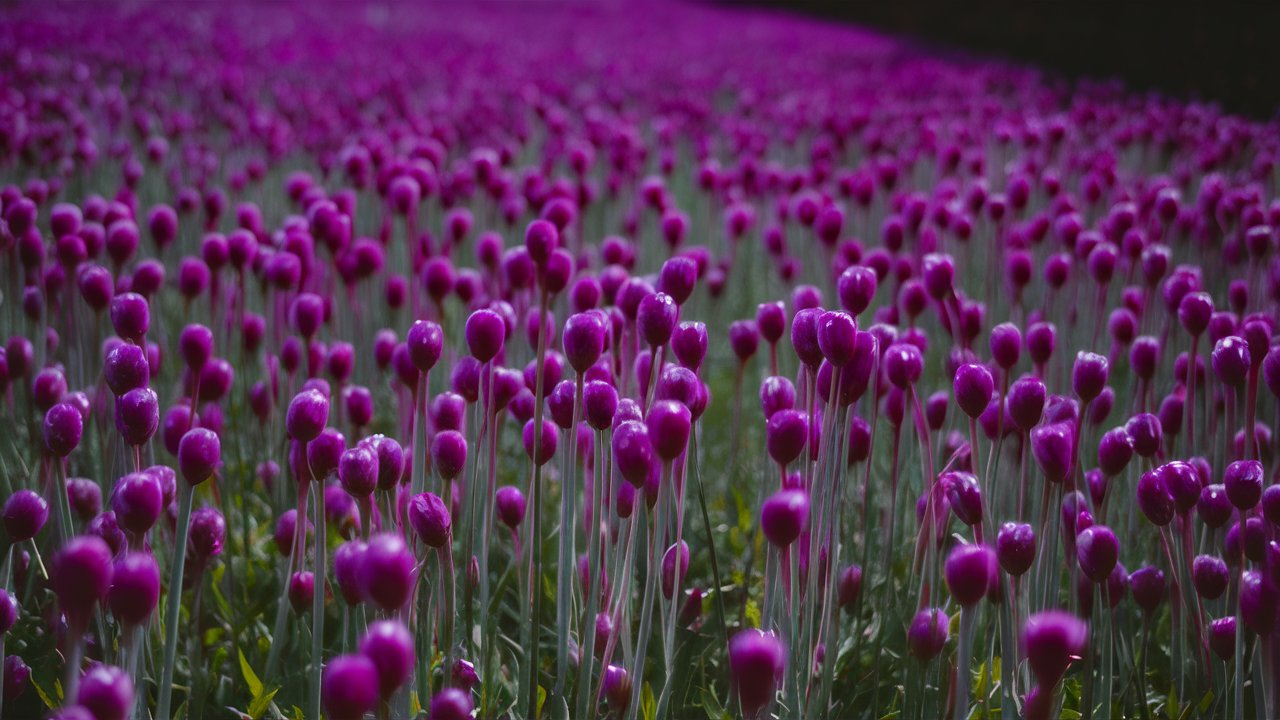
Nature provides countless examples of violetness through flowers, gemstones, sunsets, and landscapes. Lavender fields, violets, orchids, and lilacs are among the most recognizable examples of violet appearing in the natural world.
These natural displays contribute to positive associations with the color. Violet flowers are often linked to beauty, tranquility, and elegance. Similarly, violet tones appearing in sunsets and skies can create feelings of wonder and inspiration.
The presence of violet in nature reinforces its symbolic connection to creativity, harmony, and appreciation of beauty.
Violetness in Modern Branding
Many organizations use violet as part of their visual branding strategy. Companies seeking to project innovation, creativity, luxury, or uniqueness often incorporate violet into logos, packaging, and marketing materials.
Because violet stands out visually while maintaining sophistication, it can help brands differentiate themselves in competitive markets. The color also appeals to audiences who value originality and forward-thinking ideas.
Modern branding demonstrates how the concept of violetness continues to evolve while retaining its historical and psychological associations.
Conclusion
Violetness represents far more than a simple color. It embodies a rich combination of history, symbolism, psychology, creativity, and cultural meaning. From ancient royalty and artistic masterpieces to modern branding and digital design, violet continues to captivate people across generations.
Its unique blend of calmness and energy allows it to inspire imagination while encouraging reflection. Whether encountered in nature, fashion, art, or everyday life, violetness remains one of the most fascinating and meaningful color concepts.
As society continues to explore the relationships between color, emotion, and identity, violetness will undoubtedly remain a powerful symbol of creativity, elegance, and transformation.
Frequently Asked Questions
What does violetness mean?
Violetness refers to the qualities, characteristics, symbolism, and visual attributes associated with the color violet.
Why is violet associated with royalty?
Historically, violet dyes were rare and expensive, making them accessible primarily to wealthy and powerful individuals.
What emotions does violet often represent?
Violet is commonly associated with creativity, wisdom, imagination, luxury, and introspection.
How is violet used in design?
Designers use violet to communicate sophistication, innovation, elegance, and artistic expression.
Why is violet popular in fashion?
Its versatility allows it to appear both bold and refined, making it suitable for many styles and occasions.
What role does violet play in color psychology?
Violet combines the calming qualities of blue with the energetic qualities of red, often encouraging creativity and reflection.