What Is Obstetrika? Complete Guide to Pregnancy and Childbirth Care
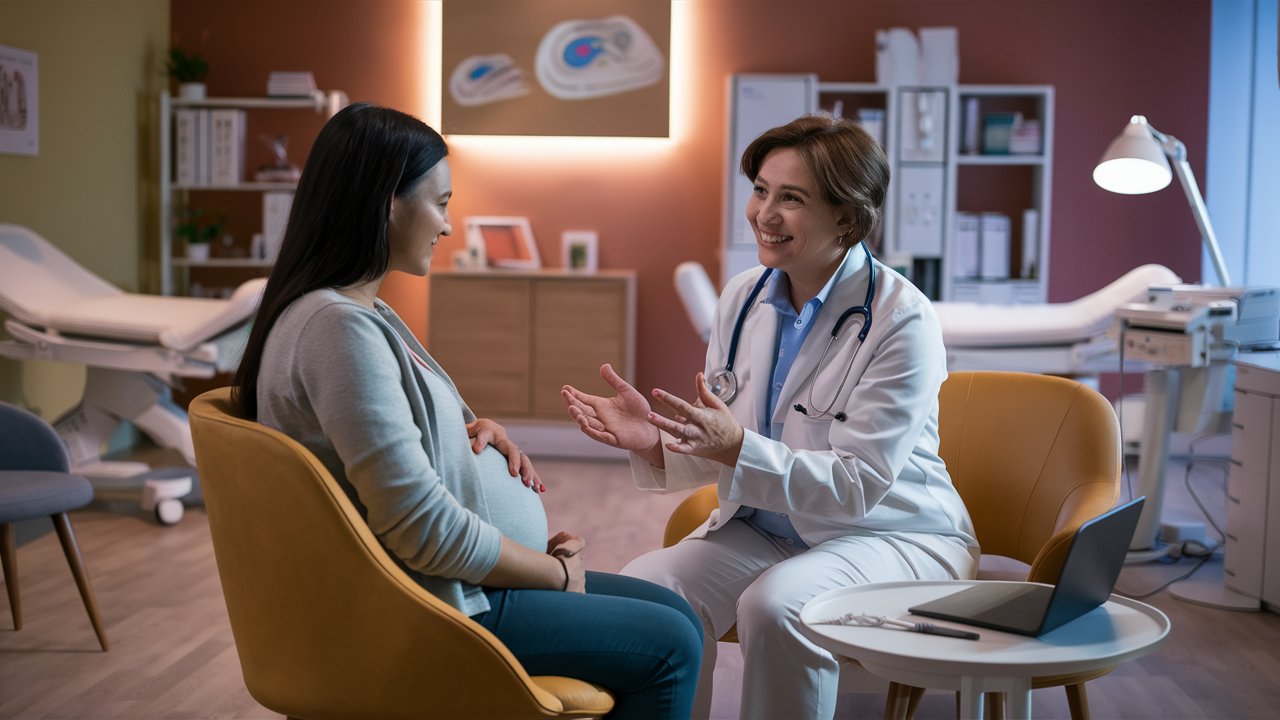
Pregnancy and childbirth are some of the most important stages in human life, requiring careful medical attention, emotional support, and continuous health monitoring. In the field of medicine, there is a specialized branch dedicated to this area of care, and the term “obstetrika” is closely associated with it.
Obstetrika is commonly understood as a reference to obstetrics, the medical field that focuses on pregnancy, childbirth, and postpartum care. It plays a crucial role in ensuring the safety of both mother and baby throughout the entire pregnancy journey.
In this article, we will explore what obstetrika means, how it is used in healthcare, the role of doctors in this field, and why it is essential for maternal and child health. The goal is to provide a clear and simple understanding for general readers.
What Is Obstetrika?
Obstetrika refers to the branch of medicine that deals with pregnancy, childbirth, and post-birth care for mothers and newborns.
It is closely related to obstetrics, which is the internationally recognized medical field that focuses on:
- pregnancy monitoring
- prenatal care
- labor and delivery
- postnatal recovery
Doctors who specialize in this field are known as obstetricians. Their main responsibility is to ensure that both mother and baby remain healthy throughout pregnancy.
Meaning of Obstetrika in Simple Terms
In simple language, obstetrika means:
- medical care for pregnant women
- support during childbirth
- health monitoring before and after delivery
It ensures that pregnancy progresses safely and that any complications are managed early.
Role of Obstetrika in Pregnancy Care
Obstetrika plays a vital role in every stage of pregnancy.
During early pregnancy, it helps in:
- confirming pregnancy
- monitoring fetal development
- checking maternal health
During later stages, it focuses on:
- tracking baby growth
- preparing for delivery
- identifying risks or complications
This continuous care helps reduce health risks for both mother and child.
Importance of Obstetrika in Modern Medicine
Obstetrika is one of the most important fields in healthcare because it directly affects:
- maternal survival rates
- infant health outcomes
- safe delivery practices
- prevention of pregnancy complications
Without proper obstetrical care, pregnancy risks can increase significantly.
Who Works in Obstetrika?
Professionals in obstetrika include:
- obstetricians (doctors specializing in pregnancy and childbirth)
- gynecologists (women’s reproductive health specialists)
- midwives (trained birth assistants)
- nurses supporting maternal care
These professionals work together to ensure safe pregnancy management.
Stages of Care in Obstetrika
Obstetrika care is divided into three main stages:
1. Prenatal Care
This stage focuses on pregnancy before birth. It includes:
- regular checkups
- ultrasound scans
- blood tests
- nutritional guidance
2. Labor and Delivery
This stage involves:
- monitoring contractions
- ensuring safe delivery
- managing pain and complications
- supporting natural or surgical birth
3. Postnatal Care
After birth, care continues with:
- recovery monitoring
- breastfeeding support
- newborn health checks
- emotional support for the mother
Common Procedures in Obstetrika
Some common medical procedures include:
- ultrasound imaging
- fetal heartbeat monitoring
- blood pressure checks
- cesarean section (C-section)
- prenatal screening tests
These procedures help ensure early detection of potential risks.
Obstetrika and Women’s Health
Obstetrika is closely connected to women’s reproductive health. It also overlaps with gynecology, which focuses on:
- menstrual health
- hormonal balance
- reproductive system disorders
Together, they provide complete care for women at different stages of life.
Why Obstetrika Is Important for Safe Delivery
Safe delivery depends heavily on proper obstetrical care. Without it, risks such as:
- complications during birth
- premature delivery
- maternal health issues
- infant health risks
can increase significantly. Obstetrika ensures medical supervision at every step.
Modern Technology in Obstetrika
Modern obstetrika uses advanced technology such as:
- high-resolution ultrasound
- fetal monitoring systems
- genetic screening tools
- digital health records
These tools improve accuracy and safety in pregnancy care.
Global Importance of Obstetrika
Across the world, obstetrika plays a key role in:
- reducing maternal mortality
- improving newborn survival rates
- providing access to safe childbirth services
- supporting public health systems
It is considered a critical part of global healthcare systems.
Conclusion
Obstetrika is a vital medical field focused on pregnancy, childbirth, and postnatal care. It ensures that both mother and baby receive proper medical attention throughout the entire pregnancy journey. From early prenatal checkups to safe delivery and postpartum recovery, obstetrika provides continuous support that reduces risks and improves health outcomes. In modern medicine, it plays an essential role in protecting maternal and infant health, making it one of the most important branches of healthcare. Understanding obstetrika helps people appreciate the importance of medical care during one of life’s most critical stages.
FAQ
1. What is Obstetrika?
Obstetrika is the medical field focused on pregnancy, childbirth, and postnatal care for mothers and babies.
2. Is Obstetrika the same as obstetrics?
Yes, obstetrika is closely related to obstetrics, which is the official medical term.
3. What doctors work in obstetrika?
Obstetricians, gynecologists, midwives, and maternal health nurses work in this field.
4. Why is obstetrika important?
It ensures safe pregnancy, reduces risks, and supports healthy childbirth.
5. What services are included in obstetrika?
It includes prenatal care, delivery support, ultrasounds, and postnatal care.