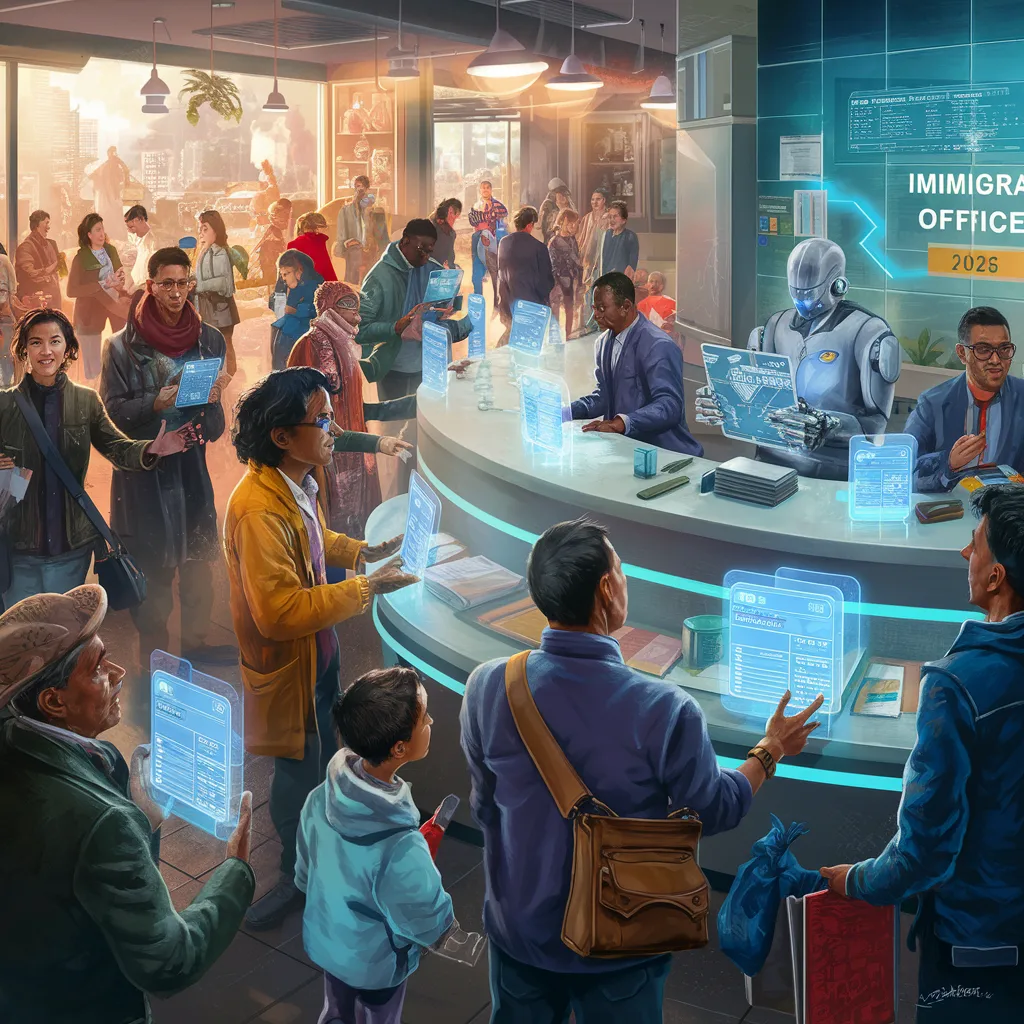
UK Immigration Changes 2026 – Key Reforms, Policies, and Their Impact
Immigration policy in the United Kingdom has undergone significant transformation in 2026, reflecting broader political, economic, and social priorities. Following a period of historically high migration in previous years, the government has introduced a series of reforms aimed at tightening controls, modernizing systems, and reshaping long-term migration patterns.
This article provides a comprehensive overview of the major UK immigration changes in 2026, including visa reforms, stricter eligibility requirements, digital border controls, and their wider implications.
🌐 Overview of UK Immigration Policy in 2026
The UK immigration system is managed by UK Visas and Immigration, a division of the Home Office responsible for visas, asylum, and citizenship.
In 2026, the system has been shaped by several key goals:
- Reducing net migration levels
- Increasing control over legal and illegal migration
- Encouraging high-skilled workers
- Strengthening border security
- Aligning immigration with economic needs
These goals have led to multiple changes across visa categories and enforcement mechanisms.
📜 Major Immigration Rule Changes (March 2026)
One of the most important updates came with the Statement of Changes to the Immigration Rules (HC 1691), published in March 2026.
These changes affected multiple visa routes and introduced new compliance requirements.
Key updates include:
- Adjustments to visitor visa rules and eligibility lists
- Updates to student, skilled worker, and scale-up visa routes
- Changes to settlement and residency pathways
- Revisions to travel authorization systems (ETA)
These reforms aim to streamline the system while tightening entry requirements.
🔐 Stricter Grounds for Refusal
A major policy shift in 2026 is the tightening of refusal criteria.
From March 2026:
- Individuals with a suspended prison sentence of 12 months or more can be refused entry or have their visa cancelled
This reflects a broader move toward stricter enforcement and a focus on public safety.
🧑💻 Skilled Worker Visa Changes
The Skilled Worker route remains central to UK immigration policy, but it has become more restrictive.
Key changes include:
- Higher English language requirement (B2 level)
- Increased salary thresholds (in many cases above £40,000)
- Stricter compliance rules for employers sponsoring workers
These changes aim to prioritize highly skilled migrants while reducing lower-wage migration.
🎓 Student Visa Restrictions
The UK has introduced tighter controls on student visas in 2026.
Notable changes:
- Certain nationalities face automatic refusal under new “visa brake” measures
- Increased scrutiny of applications
- Continued restrictions on bringing dependents (introduced earlier but still impactful)
These policies are designed to reduce misuse of student visas as a pathway to long-term migration.
🌍 Digital Border Controls and ETA System
A major modernization step in 2026 is the expansion of digital border systems.
Key developments:
- Full enforcement of Electronic Travel Authorisation (ETA)
- Mandatory pre-departure checks by airlines and carriers
- Digital verification of travel permission before boarding
This system aims to prevent unauthorized travel before individuals even reach the UK border.
🏠 Settlement and Residency Changes
One of the most debated proposals in 2026 is the reform of settlement rules.
Key trend:
- Potential extension of the Indefinite Leave to Remain (ILR) requirement from 5 years to 10 years
This “earned settlement” approach is intended to:
- Encourage long-term contribution before permanent residency
- Reduce rapid settlement of migrants
- Increase integration requirements
🚫 Visa Restrictions Based on Nationality
The introduction of a “visa brake” mechanism allows the UK to restrict visa applications from specific countries under certain conditions.
For example:
- Some nationals are automatically refused student or work visas under new rules
This reflects a targeted approach to migration control.
⚖️ Asylum and Border Policy Changes
The UK has continued to reform its asylum system in 2026.
Key developments:
- Expansion of agreements with other countries (e.g., “one in, one out” schemes)
- Increased focus on deterrence of irregular migration
- Faster processing and removal policies
However, these changes have also raised legal and humanitarian concerns, particularly around refugee protection.
📉 Declining Net Migration
Recent data shows that immigration levels are already decreasing.
- Net migration dropped significantly from nearly 1 million in 2023 to around 200,000 by 2025
This suggests that stricter policies are having a measurable impact.
🏗️ Economic Impact of Immigration Changes
The new immigration rules have mixed effects on the UK economy.
Positive impacts:
- Focus on high-skilled workers
- Reduced pressure on public services
- Better alignment with economic priorities
Challenges:
- Labor shortages in sectors like construction and healthcare
- Higher costs for employers hiring overseas workers
- Risk of increased reliance on informal or illegal labor
🧠 Social and Political Context
Immigration remains one of the most debated political issues in the UK.
In 2026:
- Public concern about migration levels remains high
- Political parties propose differing approaches
- Policies reflect a balance between control and economic need
The debate continues to shape future reforms.
🌱 Long-Term Implications
The 2026 immigration changes are likely to have lasting effects:
📊 Demographics
- Immigration remains the main driver of population growth
- Aging population increases reliance on migrant workers
💼 Workforce
- Greater emphasis on skilled migration
- Potential gaps in lower-skilled sectors
🌍 Global Position
- The UK aims to remain attractive to top talent
- But stricter rules may reduce accessibility for some migrants
✨ Conclusion
The UK immigration changes in 2026 represent a significant shift toward stricter control, digital modernization, and selective migration. From higher visa requirements and tighter enforcement to new digital border systems, the reforms are reshaping how people enter and settle in the UK.
While these changes aim to reduce migration and strengthen the system, they also present challenges for businesses, migrants, and policymakers. The long-term success of these reforms will depend on balancing economic needs with social and political priorities.