Washing a Car with a Kärcher – Step-by-Step Guide for a Professional Finish
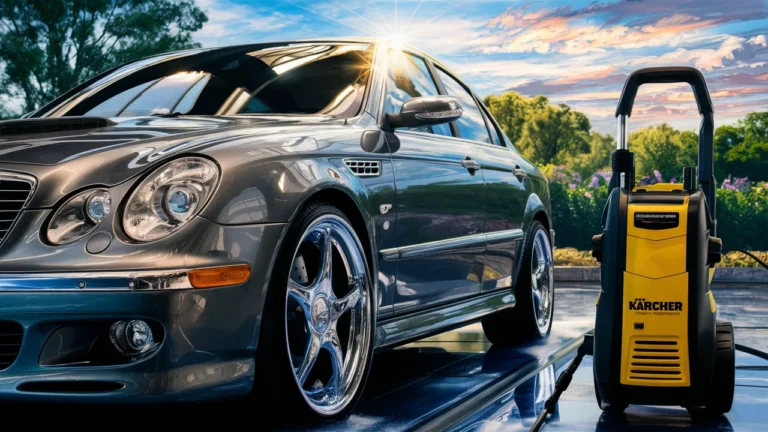
Washing a car at home has become much easier thanks to pressure washers, especially those made by Kärcher. Known for their reliability and strong cleaning performance, Kärcher machines help car owners achieve a deep clean without needing a commercial car wash.
When used correctly, a Kärcher pressure washer can remove stubborn dirt, reduce washing time, and deliver a showroom-style finish. However, improper use can damage paintwork or delicate components, so technique matters just as much as equipment.
This guide explains how to safely and effectively wash your car using a Kärcher, step by step.
🚗 Why Use a Kärcher for Car Washing?
Traditional bucket washing works, but it has limitations. A Kärcher pressure washer improves the process in several ways.
Main advantages:
- Removes heavy dirt quickly
- Reaches hidden areas like wheel arches
- Uses less water than hose washing
- Reduces scrubbing effort
- Gives a more even clean
The pressurised water loosens grime before you even touch the car, which helps reduce swirl marks and scratches.
🧰 Equipment You Will Need
Before starting, gather all necessary tools so the process runs smoothly.
Essential items:
- Kärcher pressure washer
- Foam cannon or detergent bottle attachment
- Car shampoo (safe for paintwork)
- Two buckets (optional but recommended)
- Microfiber wash mitt
- Wheel brush
- Microfiber drying towels
Having the right tools ensures a safer and more effective wash.
🅿️ Step 1: Prepare the Car
Preparation is important before using any pressure washer.
What to do:
- Park the car in a shaded area
- Close all windows and doors
- Remove loose debris if possible
- Make sure the engine is cool
Avoid washing under direct sunlight, as soap and water can dry too quickly and leave marks.
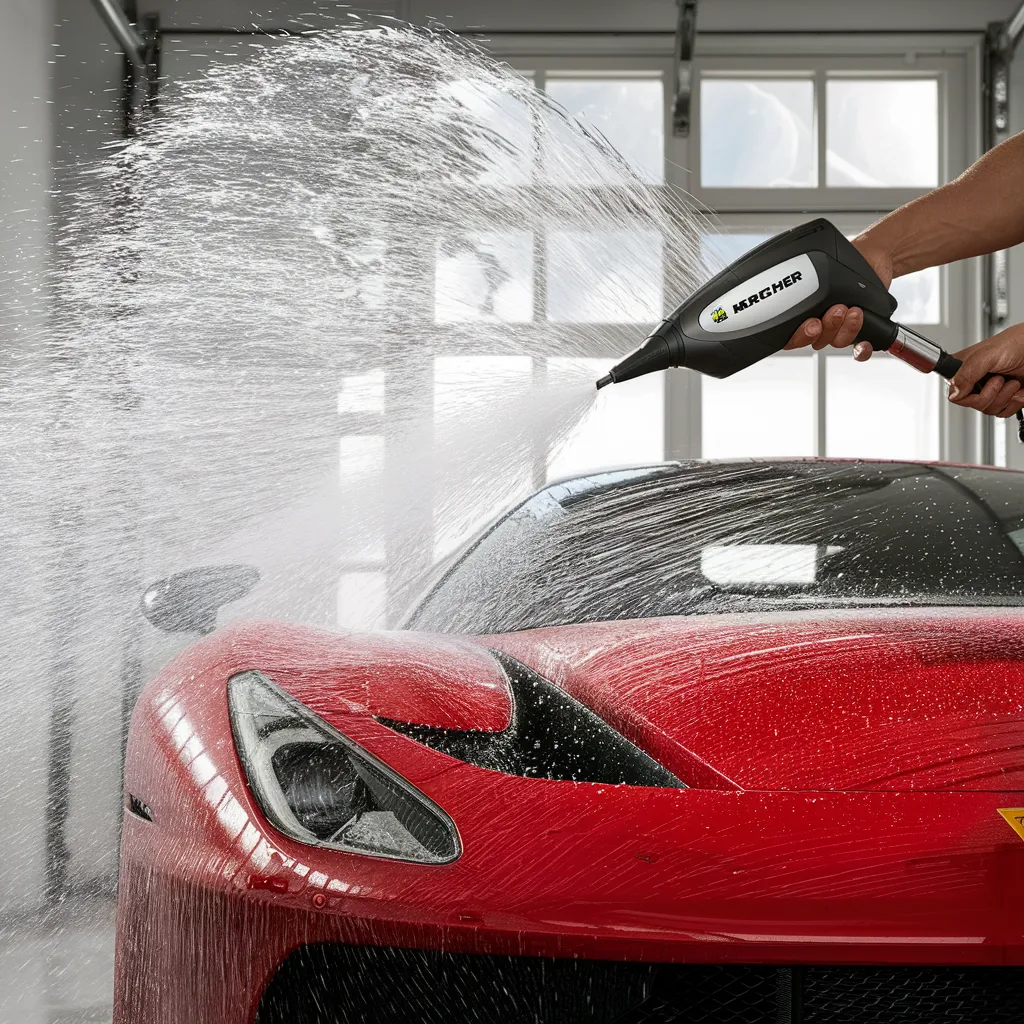
💦 Step 2: Pre-Rinse with Kärcher
The first stage is a gentle rinse to remove surface dirt.
How to do it:
- Attach a wide spray nozzle
- Start from the roof and work downward
- Keep the nozzle about 30–50 cm away
- Focus on removing loose dust and mud
This step prevents scratching when you begin hand washing.
🫧 Step 3: Foam Application
One of the most effective features of a Kärcher is its foam system.
Steps:
- Fill the foam cannon with car shampoo and water
- Attach it to the pressure washer
- Spray evenly over the entire car
- Let the foam sit for 3–5 minutes
The foam breaks down dirt and loosens stubborn grime, making the next step easier and safer.
🧽 Step 4: Hand Washing the Car
After the foam has done its job, it’s time for manual cleaning.
Method:
- Use a soft microfiber wash mitt
- Start from the top and move downward
- Wash in straight lines, not circles
- Rinse the mitt frequently in clean water
This reduces the risk of scratching the paint.
Important areas to focus on:
- Door handles and side mirrors
- Lower body panels
- Front bumper (often the dirtiest area)
Take your time—rushing increases the chance of damage.
🛞 Step 5: Cleaning Wheels and Tyres
Wheels collect the most dirt, especially brake dust, and should be cleaned separately.
Steps:
- Use a dedicated wheel cleaner if available
- Spray with Kärcher to loosen dirt
- Scrub with a wheel brush
- Rinse thoroughly
Always clean wheels carefully to avoid scratching alloy surfaces.
🚿 Step 6: Final Rinse
Once the car is fully washed, it’s time for a final rinse.
How to do it:
- Use low to medium pressure
- Rinse from top to bottom
- Ensure all soap and foam are removed
- Check gaps, mirrors, and trims
A thorough rinse ensures no residue is left behind, which could cause streaking.
🌬️ Step 7: Drying the Car Properly
Drying is just as important as washing.
Best methods:
- Use microfiber drying towels
- Gently pat or wipe the surface
- Work section by section
- Open doors and boot to dry hidden areas
Avoid letting the car air dry, as this can leave water spots.
⚠️ Safety Tips When Using a Kärcher
Pressure washers are powerful tools, so proper handling is essential.
Key safety rules:
- Do not spray too close to paintwork
- Avoid direct high pressure on seals or rubber parts
- Do not aim at electrical components
- Keep pressure moderate for vehicle use
- Always use car-safe shampoo
Using the machine correctly protects both your car and the washer.
❌ Common Mistakes to Avoid
Many beginners make simple errors that reduce cleaning quality or damage the car.
Common mistakes:
- Using too much pressure at close range
- Skipping pre-rinse step
- Letting soap dry on the surface
- Using household detergents instead of car shampoo
- Washing in direct sunlight
Avoiding these mistakes ensures a safer and more effective wash.
🌟 Benefits of Using Kärcher for Car Washing
Using a pressure washer provides several long-term benefits.
Advantages include:
- Faster cleaning compared to traditional methods
- Better removal of tough dirt and grime
- Reduced physical effort
- More professional finish
- Lower water consumption
It is especially useful for drivers in areas with mud, dust, or frequent rain.
🌱 Environmental Benefits
Modern Kärcher systems are designed to be water-efficient. Compared to a hose, they often use significantly less water while delivering better cleaning results.
This makes them a more environmentally responsible choice for regular car maintenance.
🔧 Choosing the Right Kärcher Model
Not all Kärcher models are the same, and selecting the right one matters.
Things to consider:
- Pressure level (bar rating)
- Included accessories (foam cannon, brushes)
- Portability and storage size
- Frequency of use
For car washing, mid-range models are usually ideal—powerful enough for cleaning but safe for paintwork.
✨ Conclusion
Washing a car with a pressure washer from Kärcher is one of the most effective ways to achieve a clean, polished finish at home. When used properly, it saves time, reduces water usage, and delivers results close to professional detailing.