How to Wash a Car with a Kärcher Pressure Washer – A Complete Guide
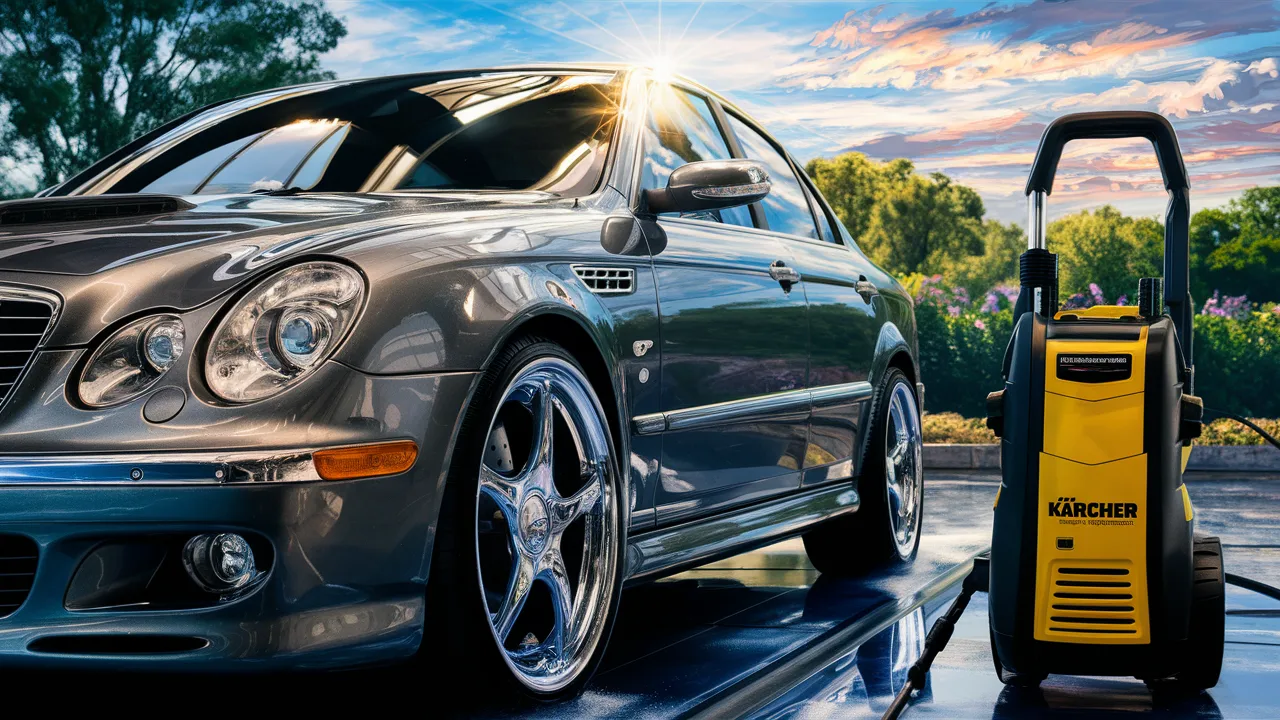
Washing a car properly is essential for maintaining its appearance, protecting the paintwork, and preserving long-term value. One of the most effective tools for modern car cleaning is a Kärcher pressure washer. Known for producing high-quality cleaning equipment, Kärcher pressure washers make car washing faster, easier, and more efficient than traditional methods.
Using a pressure washer correctly can remove dirt, mud, road salt, and grime without damaging the vehicle’s surface. However, improper use can also lead to scratches or paint damage, so understanding the right process is important.
This guide explains how to wash a car safely and effectively using a Kärcher pressure washer.
🚗 Why Use a Kärcher Pressure Washer for Car Cleaning?
Traditional hose-and-bucket washing methods can be time-consuming and less effective at removing stubborn dirt.
A Kärcher pressure washer offers several advantages:
Benefits include:
- Faster cleaning process
- Strong water pressure for dirt removal
- Reduced physical effort
- Better access to wheels and underbody areas
- Lower water consumption compared to standard hoses
Many Kärcher models are also compatible with foam cannons and detergent systems, improving the overall washing experience.
🧰 Equipment Needed
Before starting, it is important to gather all necessary supplies.
Essential items:
- Kärcher pressure washer
- Car shampoo or vehicle-safe detergent
- Foam nozzle or foam cannon (optional)
- Microfiber wash mitt or sponge
- Two buckets (recommended)
- Microfiber drying towels
- Wheel cleaning brush
Using proper automotive cleaning products helps protect the paint and finish.
🌤️ Choose the Right Washing Conditions
Before washing the vehicle, consider the environment and weather.
Best conditions:
- Wash the car in shade
- Avoid direct sunlight
- Ensure the car surface is cool
Washing under strong sunlight may cause soap and water to dry too quickly, leaving streaks or water spots.
🛞 Step 1 – Pre-Rinse the Vehicle
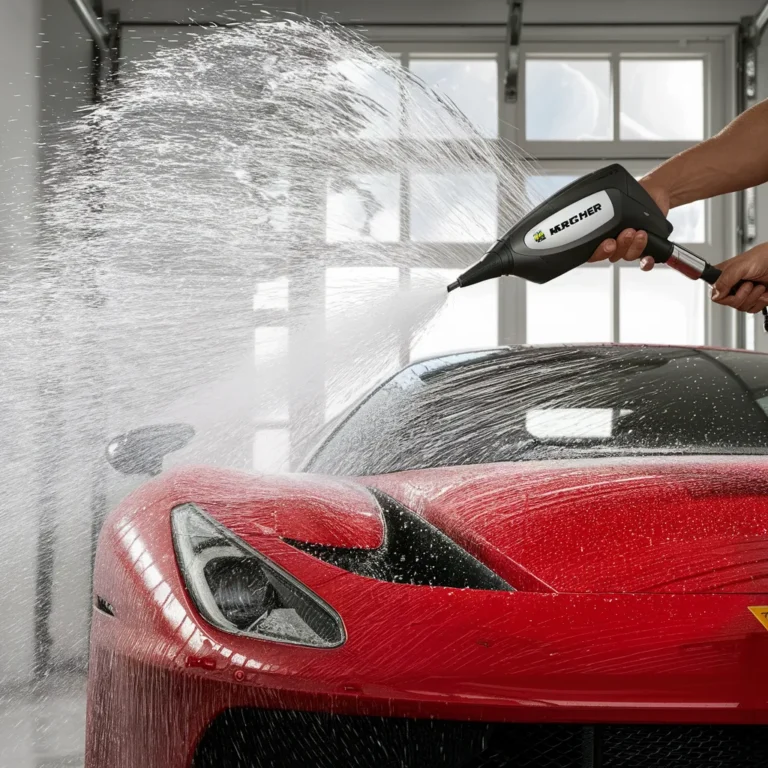
The first step is rinsing loose dirt and debris from the car.
How to do it:
- Connect the Kärcher pressure washer properly
- Use a wide spray nozzle setting
- Keep the nozzle a safe distance from the paint
- Start from the top and move downward
This step removes:
- Dust
- Mud
- Sand
- Road grime
Pre-rinsing is important because rubbing dirt directly during washing can create scratches.
🫧 Step 2 – Apply Foam or Car Shampoo
After the initial rinse, apply car shampoo using either:
- A foam cannon
- Kärcher detergent attachment
- Manual wash bucket method
Foam application benefits:
- Softens stubborn dirt
- Lubricates the surface
- Reduces risk of scratching
Cover the entire vehicle evenly with foam and allow it to sit for a few minutes.
Do not let the foam dry completely on the paint.
🧽 Step 3 – Hand Wash the Car
Even with a pressure washer, hand washing remains important for removing stubborn contamination.
Proper washing technique:
- Use a microfiber wash mitt
- Wash from top to bottom
- Rinse the mitt frequently
- Use separate tools for wheels and lower panels
The two-bucket method is recommended:
- One bucket with clean water
- One bucket with shampoo solution
This reduces the risk of transferring dirt back onto the paint.
🛞 Step 4 – Clean the Wheels Separately
Wheels are usually the dirtiest part of the vehicle.
Brake dust, road grime, and grease build up heavily on wheel surfaces.
Wheel cleaning tips:
- Use a dedicated wheel brush
- Apply wheel cleaner if necessary
- Avoid using the same sponge used on paintwork
Pressure washers are highly effective for removing dirt from wheel arches and tire surfaces.
💦 Step 5 – Final Rinse
Once the washing process is complete, rinse the entire car thoroughly.
Rinsing technique:
- Start from the roof
- Work downward gradually
- Remove all soap residue completely
Soap left behind can leave streaks or damage protective coatings over time.
🧴 Step 6 – Dry the Vehicle Properly
Drying is often overlooked, but it is essential for achieving a clean finish.
Best drying methods:
- Use microfiber drying towels
- Pat or glide gently over the surface
- Avoid rough cloth materials
Proper drying helps prevent:
- Water spots
- Mineral residue
- Paint swirl marks
Some users also use air blowers to remove water from mirrors, grills, and trim gaps.
✨ Optional Step – Apply Wax or Protective Coating
After washing, many car owners apply protective products.
Common protection options:
- Spray wax
- Ceramic coating sprays
- Paint sealants
These products:
- Enhance shine
- Repel water
- Protect paint from contaminants
A clean surface improves the effectiveness of these protective layers.
⚠️ Common Mistakes to Avoid
While Kärcher pressure washers are highly effective, improper use can damage the vehicle.
Avoid these mistakes:
1. Spraying Too Close
High pressure at very close range may damage:
- Paint
- Rubber seals
- Badges
2. Using Harsh Detergents
Household cleaners can strip protective coatings and damage paint.
3. Washing in Direct Sunlight
This may cause streaking and water spots.
4. Skipping Pre-Rinse
Rubbing dry dirt across paint increases scratching risk.
5. Using Dirty Towels
Contaminated cloths may create swirl marks.
🔋 Choosing the Right Kärcher Model
Kärcher offers multiple pressure washer models for home vehicle cleaning.
Popular categories:
- Compact entry-level units
- Mid-range home cleaning systems
- High-pressure premium models
For most car owners, medium-pressure units are ideal because they provide:
- Sufficient cleaning power
- Safer operation for paintwork
- Better water control
Extremely high-pressure industrial units are usually unnecessary for normal vehicle washing.
🌍 Environmental Benefits
Pressure washers can also be more environmentally friendly compared to traditional hoses.
Benefits include:
- Reduced water usage
- Faster cleaning time
- Efficient detergent application
Modern Kärcher systems are designed to optimize water efficiency while maintaining strong cleaning performance.
🚙 Maintaining Your Vehicle’s Appearance
Regular car washing provides more than visual benefits.
It helps:
- Protect paint from contaminants
- Remove road salt and corrosive materials
- Maintain resale value
- Improve overall vehicle condition
Washing is especially important during:
- Winter months
- Rainy seasons
- Dusty driving conditions
Consistent maintenance extends the life of exterior surfaces.
🧾 Conclusion
Using a Kärcher pressure washer is one of the most efficient ways to clean a vehicle safely and effectively. With the right technique, proper cleaning products, and careful handling, drivers can achieve professional-quality results at home.