media wall: A Complete Guide to Design, Benefits, Uses, and Modern Event Experiences
Visual experiences have become one of the most important parts of modern events, businesses, and digital environments. People are naturally attracted to creative displays that capture attention, communicate messages, and create memorable moments. Among the popular solutions used for branding and entertainment purposes, media wall technology has gained significant interest because it combines visual design, digital content, and interactive experiences in one powerful display solution.
A well-designed visual display can transform ordinary spaces into engaging environments. Whether used at corporate events, exhibitions, conferences, retail locations, or entertainment venues, digital display solutions help organizations communicate effectively and create stronger connections with audiences. Understanding how these systems work, where they are used, and why they are becoming popular can help businesses and event planners make better decisions.
What Is a media wall?
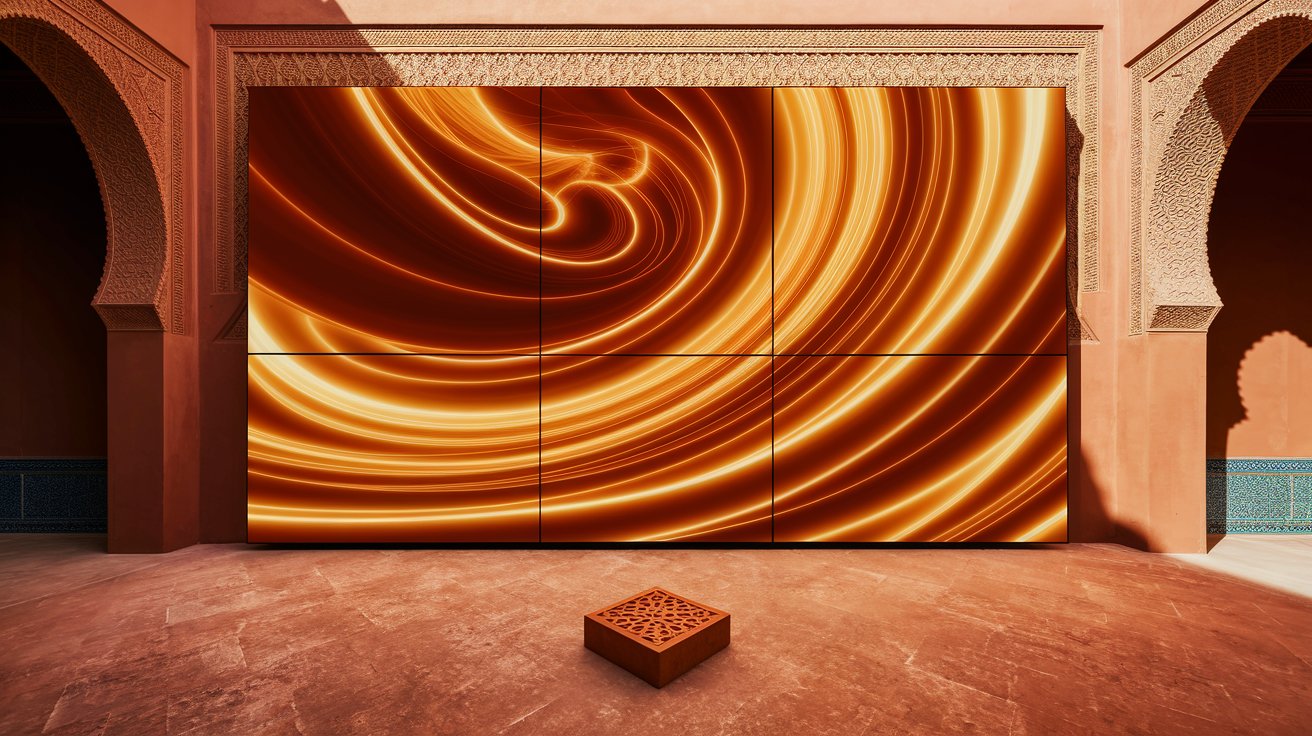
A media wall is a large digital display setup designed to present images, videos, graphics, animations, branding messages, or interactive content. It is commonly created using LED panels, digital screens, video walls, or other display technologies that work together to produce an impressive visual experience.
Unlike traditional banners or printed backgrounds, these displays allow dynamic content changes. Users can update visuals instantly, showcase different messages, and create more engaging environments.
The main purpose of this technology is to attract attention while delivering information in a visually appealing way. It combines creativity with modern technology to improve communication and audience engagement.
The Growth of Digital Display Technology
Digital displays have become increasingly popular because people respond strongly to visual information. In a world filled with advertisements, messages, and online content, businesses need effective ways to stand out.
Several factors have contributed to the growth of digital display solutions:
- Improved screen quality
- Lower technology costs
- Increased demand for interactive experiences
- Growth of live events
- Need for stronger branding methods
Modern audiences expect experiences rather than simple information. Digital displays help organizations create environments that feel more engaging and memorable.
Why Businesses Use media wall Solutions
Businesses use digital displays for many reasons, especially when they want to improve visibility and create professional impressions.
Strong Branding Opportunities
A branded display can showcase company logos, promotional messages, product visuals, and important announcements. This creates a consistent brand experience for visitors and customers.
Better Audience Engagement
Moving visuals often attract more attention than static designs. Videos, animations, and interactive content encourage people to spend more time engaging with a brand.
Professional Appearance
A modern display system can make events and business spaces look more advanced and organized. It creates a polished environment that reflects professionalism.
Flexible Content Management
Unlike printed materials, digital displays can be updated quickly. Businesses can change messages according to different events, campaigns, or audiences.
These benefits explain why many organizations are choosing digital solutions over traditional display methods.
Common Uses of media wall Technology
The flexibility of this technology allows it to be used across many industries.
Corporate Events and Conferences
Corporate events often require professional backgrounds for presentations, speeches, and networking areas. A digital display provides an attractive setting while supporting branding goals.
Companies can use it to show:
- Company information
- Event schedules
- Speaker introductions
- Promotional videos
- Social media updates
A professional visual setup helps create a stronger impression among attendees.
Trade Shows and Exhibitions
Exhibitions are competitive environments where businesses need to attract visitors quickly. A bright and engaging display can help a booth stand out among many competitors.
Exhibitors often use digital displays to:
- Demonstrate products
- Present services
- Display customer reviews
- Highlight achievements
This creates a more interactive experience for potential customers.
Weddings and Special Events
Digital displays are also becoming popular in personal celebrations. Weddings, parties, and private events can use visual backgrounds to create unique atmospheres.
They may display:
- Photos
- Videos
- Decorative animations
- Personalized messages
This adds a creative touch and makes events more memorable.
Retail Stores
Retail businesses use digital displays to influence customer experiences. Screens can showcase promotions, product demonstrations, and seasonal campaigns.
A well-placed display can encourage customers to explore products and spend more time in a store.
Entertainment Venues
Concerts, theaters, and entertainment locations often rely on advanced visuals to enhance performances. Large digital screens can support lighting effects, live content, and audience interaction.
Types of media wall Displays
Different types of displays are available depending on the purpose, location, and budget.
LED Display Walls
LED systems are popular because they provide bright visuals and work well in large spaces. They are commonly used for outdoor events, concerts, and major exhibitions.
Video Wall Systems
Video walls combine multiple screens to create one large visual surface. They are often used in control rooms, corporate spaces, and retail environments.
Interactive Displays
Interactive systems allow users to engage directly with content. They are useful for demonstrations, information points, and customer experiences.
Custom Digital Installations
Some projects require unique designs that match specific themes or environments. Custom solutions allow greater creative freedom.
Important Features to Consider
Choosing the right display requires understanding important technical and design factors.
Screen Quality
Resolution, brightness, and color accuracy influence the overall visual experience. High-quality screens create clearer and more attractive content.
Size and Placement
The size of the display should match the location and viewing distance. A properly positioned screen ensures better visibility.
Content Management
Easy content updates are important for businesses that frequently change their messages.
Durability
For long-term use, displays should be reliable and suitable for the environment where they will operate.
These considerations help ensure better performance and value.
The Role of Content in Digital Displays
Technology alone does not create an effective experience. The quality of the content displayed plays a major role.
Good digital content should be:
- Clear
- Visually attractive
- Relevant to the audience
- Easy to understand
- Aligned with branding goals
A powerful display with poor content may fail to create the desired impact.
Successful organizations combine strong design with meaningful messaging.
How media wall Improves Event Experiences
Events are designed to create memories and connections. A creative display solution can improve the atmosphere and provide better experiences for attendees.
Benefits include:
- More attractive event spaces
- Better photo opportunities
- Stronger branding
- Improved communication
- Increased audience interest
A well-planned visual environment helps guests feel more connected to the event.
The Importance of Professional Design
Professional design ensures that visual displays support the overall purpose of an event or business space.
Good design considers:
- Brand colors
- Layout balance
- Audience expectations
- Content timing
- Visual impact
A professional approach creates a smoother experience and prevents the display from becoming distracting.
Future Trends in Digital Display Technology
Technology continues evolving, and digital displays are becoming more advanced.
Future developments may include:
More Interactive Experiences
Displays may become more responsive, allowing audiences to participate directly.
Improved Personalization
Businesses may create customized content based on audience preferences.
Better Integration With Technology
Digital displays may connect more closely with mobile devices, artificial intelligence, and smart systems.
Greater Energy Efficiency
New technologies may reduce power consumption while improving performance.
These trends show that digital displays will continue playing an important role in communication and entertainment.
Choosing the Right Solution
Selecting the right display depends on several factors.
Businesses and event planners should consider:
- Purpose of the display
- Location requirements
- Audience size
- Content needs
- Budget limitations
- Long-term goals
A careful planning process helps create a solution that delivers real value.
Common Mistakes to Avoid
Poor planning can reduce the effectiveness of a digital display.
Common mistakes include:
Ignoring Audience Needs
Content should always match the interests and expectations of viewers.
Choosing the Wrong Size
A display that is too small may fail to attract attention, while an oversized setup may not suit the environment.
Poor Content Planning
Random or unclear visuals can reduce impact.
Neglecting Technical Support
Reliable operation requires proper setup and maintenance.
Avoiding these mistakes improves overall results.
The Growing Importance of Visual Communication
People process visual information quickly. This makes digital displays powerful tools for communication.
Organizations use visual technology because it helps them:
- Capture attention
- Explain ideas
- Strengthen branding
- Improve experiences
As competition increases, effective visual communication becomes even more valuable.
Conclusion
Digital display technology has changed how businesses, event organizers, and organizations communicate with audiences. A media wall provides a flexible and creative way to present information, strengthen branding, and create memorable experiences.
From corporate events and exhibitions to retail spaces and personal celebrations, these displays offer many opportunities to improve engagement. Their success depends on choosing the right technology, creating quality content, and designing experiences that match audience expectations.
As technology continues advancing, digital displays will become even more interactive, personalized, and effective. Organizations that understand the value of visual communication can use these solutions to create stronger connections and more impactful experiences.